



As descendants of two conservation giants, we returned to Yosemite and found the same question waiting: what do we owe the future? –
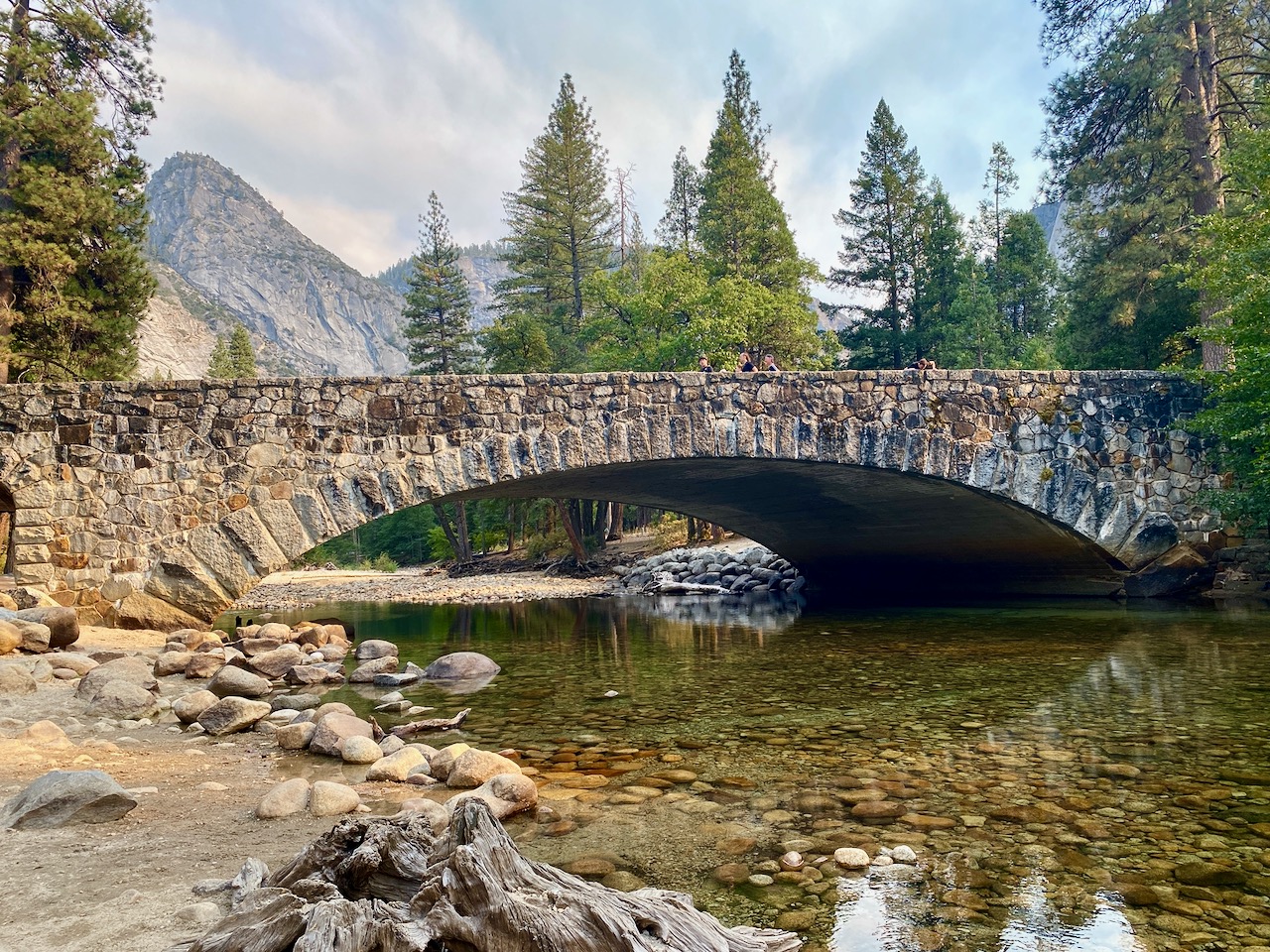
The bridge over the Merced River leading to the Yosemite Valley campgrounds. By Glynn Wilson
Guest Column –
By Ted Roosevelt IV, Robert Hanna –
More than 120 years ago, Theodore Roosevelt and John Muir spent several days together in Yosemite. They slept beneath giant sequoias, woke to fresh snow, and talked about what America should preserve for generations they would never know.
Recently, as descendants of Roosevelt and Muir, we returned to Yosemite to continue that conversation. Standing together in the landscape our ancestors worked to protect brought home a simple lesson: conservation is not an inheritance we simply receive. It is a covenant each generation must renew.
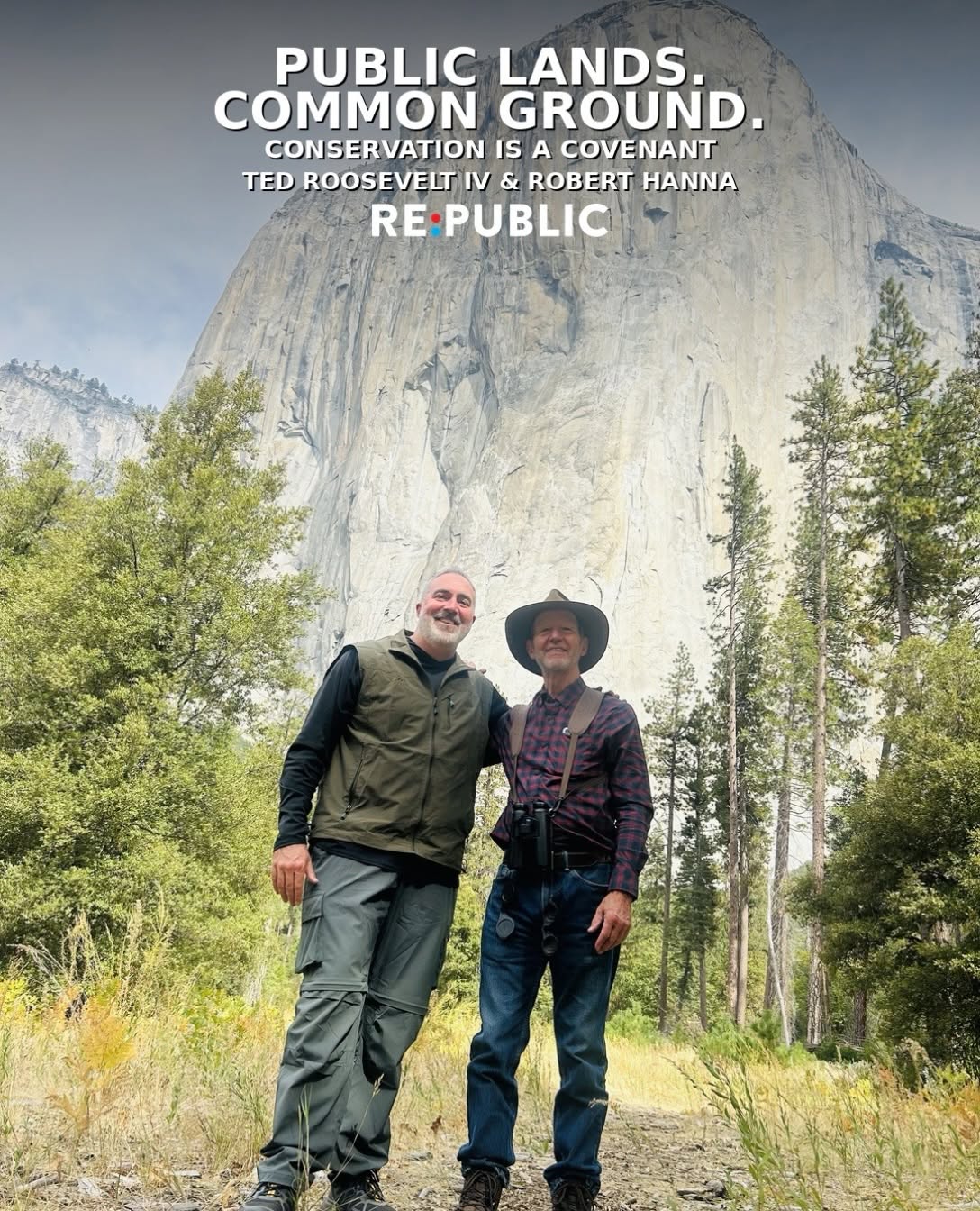
We are stewards of these public lands. As beneficiaries of these lands we are also their trustees. A trustee does not consume an asset simply because it is available. We are obligated to care for it for our children’s children. Diminishing their inheritance for short-term benefit is intergenerational theft.
In 1864, President Abraham Lincoln signed the Yosemite Grant Act, protecting Yosemite Valley and the Mariposa Grove for public use and declaring that they “shall be inalienable for all time.” Decades later, Roosevelt invited Muir to camp with him here. Their conversations helped build momentum for returning Yosemite Valley and the Mariposa Grove to federal protection and incorporating them into Yosemite National Park. Their encounter reminds us that experiencing a place can change what we are willing to protect.
Today, Yosemite is once again a test of what we owe the future. The federal government is considering a controversial land exchange that could give a planned private resort direct access through the park. Yet the public has not had a formal opportunity to weigh in. Decisions about Yosemite’s future should begin with the public interest and with the public fully in the conversation.
There is another way we risk losing this inheritance: dismantle, piece by piece, the institutions created to care for it.
The same principle applies far beyond Yosemite. The administration has proposed rescinding the Roadless Area Conservation Rule, putting nearly 45 million acres of national forests at risk of more roads and development. For a quarter-century, the rule has helped keep some of America’s most intact forests, watersheds and wildlife habitat whole. Undoing it would spend down another part of the inheritance we were entrusted to protect.
There is another way we risk losing this inheritance: dismantle, piece by piece, the institutions created to care for it. Thousands of employees have been lost from already chronically underfunded agencies including the Forest Service, Bureau of Land Management, National Park Service and Fish and Wildlife Service. They are rangers, scientists, fire-qualified workers, and specialists carrying decades of knowledge that cannot simply be replaced.
Taken together, these cuts and departures are hollowing out the institutions Americans built to safeguard our shared inheritance. When we strip away the people who care for these lands, we weaken our ability to hand them on to the next generation.
Regardless of wealth or background, Americans have the freedom to stand beneath a giant sequoia, hike through a quiet forest, cast a line into a mountain stream or simply experience the solitude of wilderness. At a time when Americans disagree about so much, these places remind us of what we share. Mountains don’t ask how we voted. Rivers don’t ask where we were born. Forests don’t belong to one party, one administration, one ideology, or one generation. They are part of our common inheritance.
Our ancestors understood something enduring: conservation asks us to think beyond our own lifetimes. Their choices helped preserve extraordinary places for generations they would never meet.
We are those people.
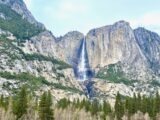
One hundred years from now, people should still be able to stand in Yosemite, look across these same granite walls and waterfalls, and know that this place belongs to them, too. Every generation inherits a choice: whether to consume what was entrusted to us or pass it forward.
Each of us has a role in that choice. Bring your children to these places. Talk with your friends and neighbors about what is at stake. Find organizations whose mission speaks to you and help strengthen their work. Make your voice heard when decisions are made about lands that belong to all of us. This is how our shared inheritance endures.
What we inherited was never meant to end with us. It is ours to pass on — together.
__
Originally published online in the Republic Land newsletter.
___
If you support truth in reporting with no paywall, and fearless writing with no popup ads or sponsored content, consider making a contribution today with GoFundMe or Patreon or PayPal.




Thanks, Glynn, great mission and purpose of journalism.