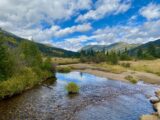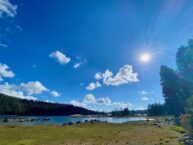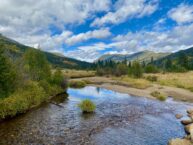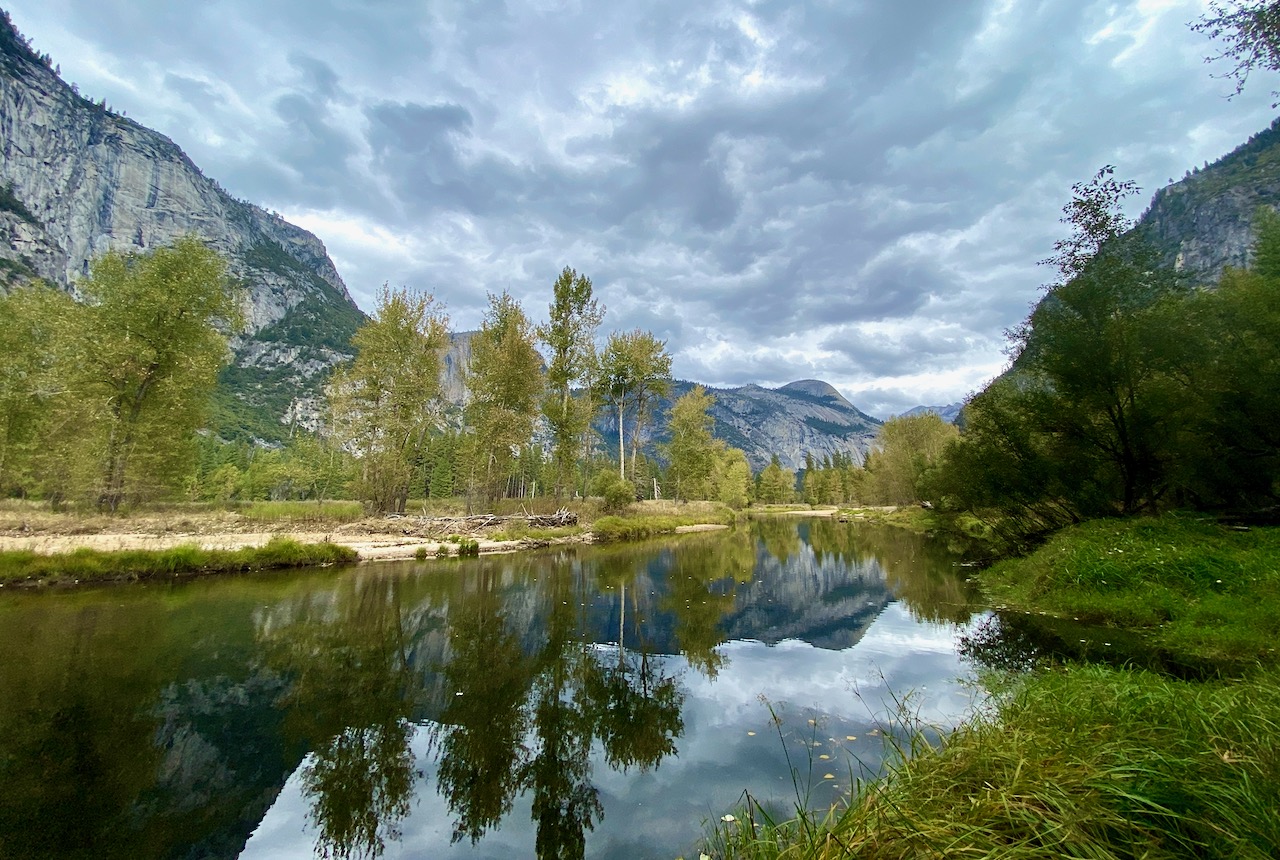
Cathedral Beach in Yosemite Valley by the Merced River: Glynn Wilson
Tales From the MoJo Road –
By Glynn Wilson –
COULTERVILLE, Calif. – “I am haunted by waters,” author Norman Maclean wrote in the conclusion to his memoir A River Runs Through It.
It is a line that will be familiar to anyone who watched the movie produced and directed by Robert Redford about hard drinking, gambling and fly-fishing on the Big Blackfoot River in Montana.
“Poets talk about ‘spots of time,’” Maclean wrote. “My father was very sure about certain matters pertaining to the universe. To him, all good things – trout as well as eternal salvation – come by grace and grace comes by art and art does not come easy.”
Maclean was a great American writer, not just a regional writer, whose brother you will recall (played by Brad Pitt in the movie) died while writing for a newspaper in Missoula, Montana. He was beat to death over gambling debts he ran up while drunk.
“All there is to thinking is seeing something noticeable which makes you see something you weren’t noticing which makes you see something that isn’t even visible,” Maclean said, writing near the end of his life.
“Eventually, all things merge into one, and a river runs through it. The river was cut by the world’s great flood and runs over rocks from the basement of time. On some of the rocks are timeless raindrops. Under the rocks are the words, and some of the words are theirs.”
He was talking about his ancestors, and he was onto something.
I too am haunted by waters, if that is the right word. Perhaps it would be more accurate to say I am drawn to water. In that I am not alone.
Another great writer, Edward O. Wilson from Alabama, once theorized that humans have a genetic connection to nature. He called this theory “biophilia.” As quantitative evidence to back it up, he cited the percentage of people who live near water in the United States. Something like 70 percent of the people in this country live within 100 miles of an ocean, a lake or a river.
I suspect, however, that large numbers of those people are no longer intellectually or spiritually connected to the water because of a corruption in our institutions and culture, not the kind often lambasted by the right. As Native Americans often point out, “water is life.”
You can see the disconnect in some peoples’ faces in the rear-view mirror in this rural area who drive their pickup trucks and SUVs right up on your rear bumper, in a hurry to cross the bridges – rarely pausing to glance at the river on their way to and from work, church and the Walmart in Sonora.
As I walked along a path down by the Merced River recently, taking a break from the city of San Francisco, Coulterville, the internet and the computer, I felt a familiarity in the dirt between my toes. There is an older form of knowledge at work that may come from some of my Cherokee ancestors who hid from Andrew Jackson’s Army in North Alabama.
There is scant written record of this history, since Jackson’s men destroyed the only printing press to ever produce a newspaper in English and Cherokee. You can see the remnants of that newspaper in the special archives library at the University of Tennessee in Knoxville.
I soaked up the electrolytes from the waterfall and did some thinking, mostly about the idea of helping others – since the world needs a lot of help about now.
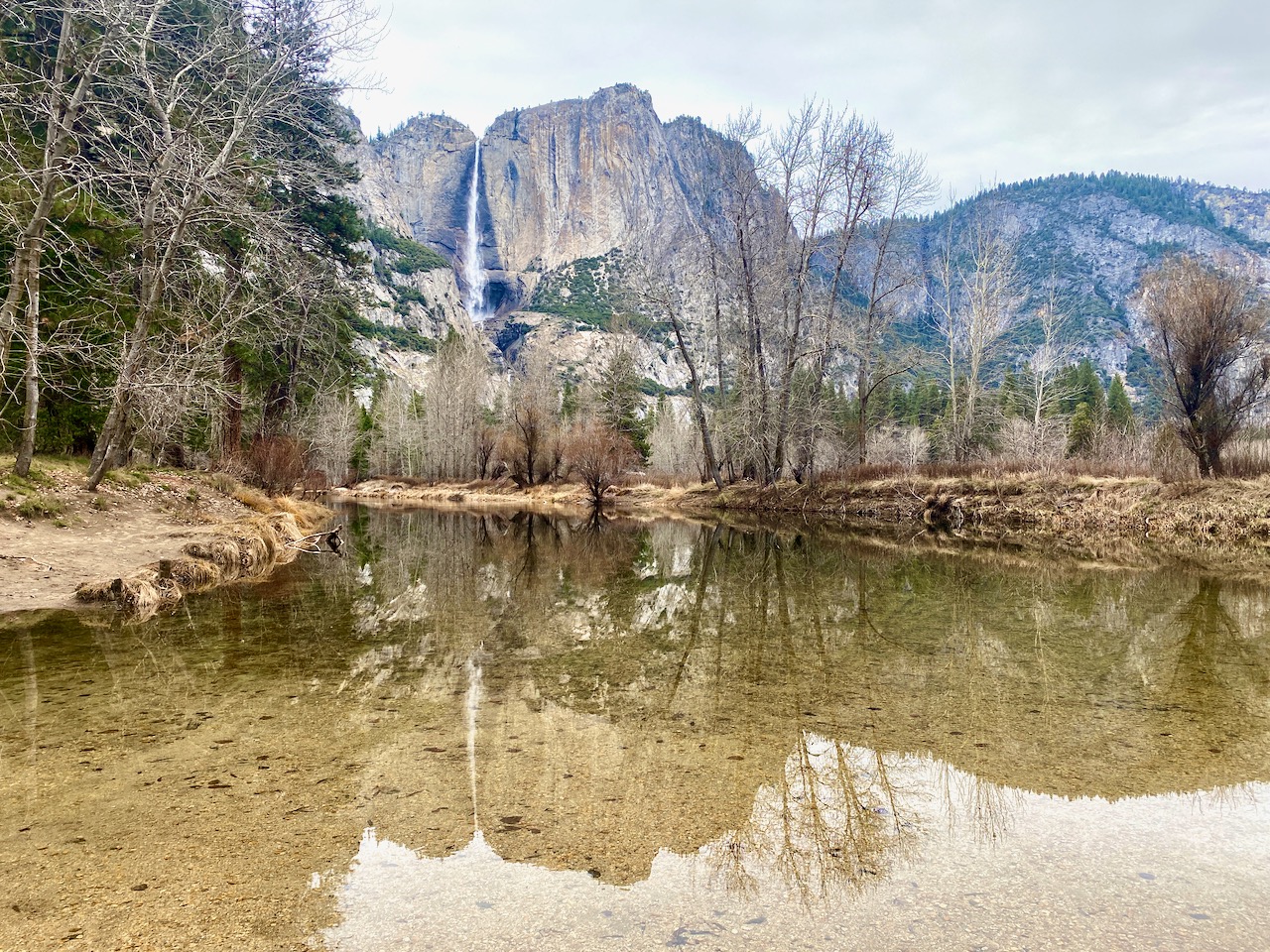
Yosemite Falls from the valley floor reflected in the Merced River: By Glynn Wilson
“Help is giving part of yourself to somebody who comes to accept it willingly and needs it badly,” Maclean wrote. “So it is that we can seldom help anybody. Either we don’t know what part to give or maybe we don’t like to give any part of ourselves. Then, more often than not, the part that is needed is not wanted. And even more often, we do not have the part that is needed….”
His conclusion?
At least, he said, “You can love completely without complete understanding.”
Perhaps you can. I think that is right and necessary, while not necessarily sufficient – at least not in these trying times.
This reminds me of another apocryphal story.
A terrible storm hit a small town, and the river began to rise. The rain came down in sheets, streets flooded, and emergency crews went door to door telling people to evacuate.
One man stayed behind in his house. He stood on the porch as the water crept across his yard and said, “God will save me. I have faith.”
Soon, a neighbor came by in a truck and shouted, “Get in! We have to leave now before the roads disappear!”
The man shook his head. “No thanks. God will save me.”
The storm worsened. Water poured into the first floor of the house, forcing the man upstairs. A rescue boat passed by, and the rescuers called out, “Climb in! This is your last chance before the current gets too strong!”
Again the man refused. “God will save me.”
Hours later, the floodwaters swallowed the house almost to the roof. The man climbed onto the shingles and clung to the chimney while wind and rain battered him from every side.
A helicopter appeared overhead. A rescuer lowered a rope ladder and yelled through a megaphone, “Grab the ladder! We can take you to safety!”
But the man waved them away.
“I trust God! He will save me!”
Not long after, the waters overcame him, and he drowned.
When he reached Heaven, he asked God, “Lord, I had faith in you. Why didn’t you save me?”
And God replied:
“I sent you a truck. I sent you a boat. I sent you a helicopter. What more were you waiting for?”
Help
All I have ever tried to do for my entire adult life was try to help people. Mostly that came in the form of digging up the facts and writing accurate news stories.
It has also taken other forms, like teaching journalism for a decade. Being there for my elderly mother in Birmingham for about a decade. Then volunteering with the National Park Service for another decade, making a study of how to develop character and class from some of the most special, top notch professionals in American history.
I’ve also had friends over the years I tried to help who didn’t know how to take it.
Spider Martin, the photographer who was on the bridge in Selma on Bloody Sunday in 1965, shot himself in the heart in the spring of 2003. He was broke, cold, stoned and drunk.
The last photograph he had published and was paid to shoot was thanks to me, in the New York Times on a double byline story I did with Rick Bragg for the front page of the Sunday paper. The photo ran with the jump.
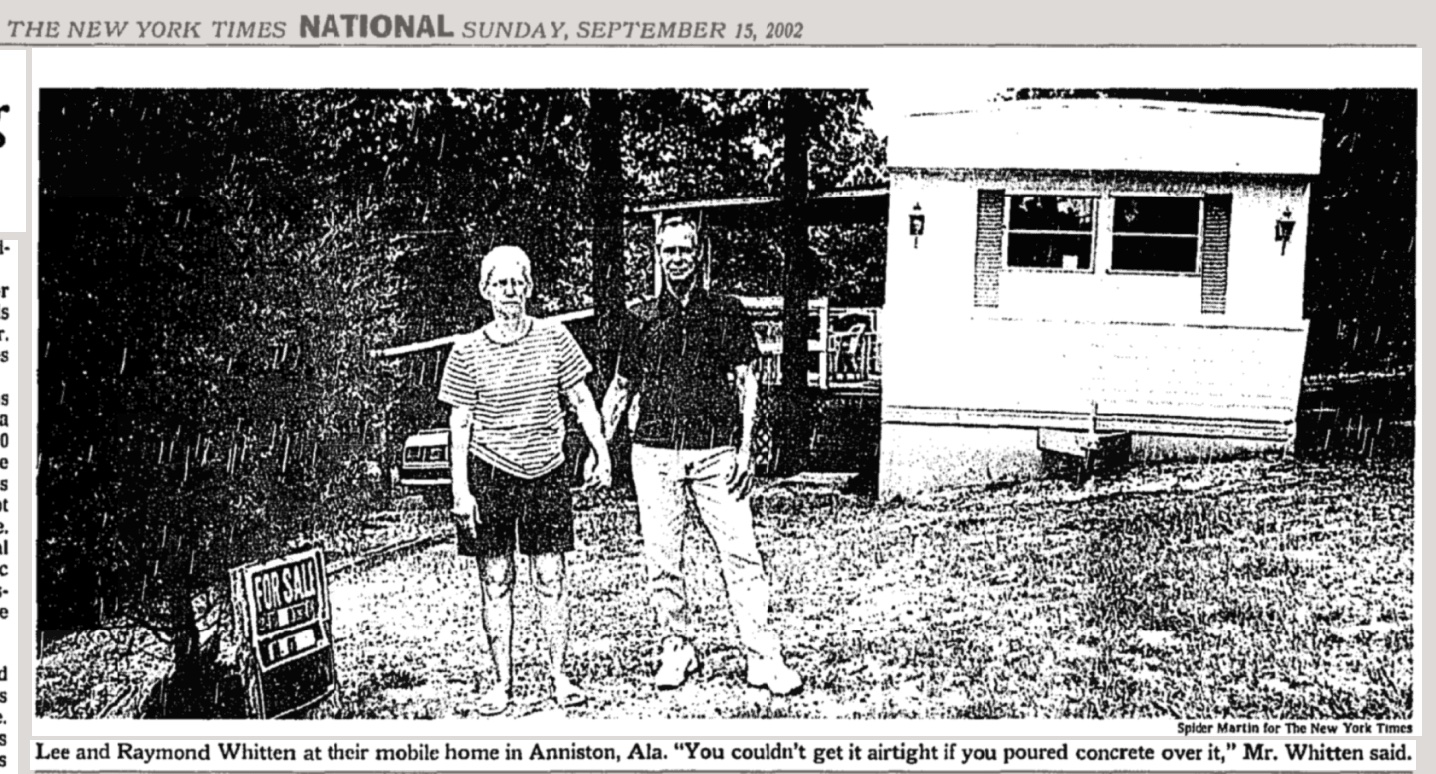
Photo by Spider Martin
Burning of Chemical Arms Puts Fear in Wind
I’ve also worked with a number of musicians and artists over the years, some who suffered from various maladies including manic depression, ADHD, dyslexia, schizophrenia, even agoraphobia. Sometimes they have been very hard to help.
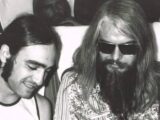
This includes guitar slinger Wayne Perkins. I spent last winter with him near Birmingham, Alabama working on a website, a YouTube channel and a book proposal.
Alabama Guitar Slinger Wayne Perkins Dies at 74
People in red states and small towns in blue states can also be mixed up, hard headed and stubborn. Our communication system is broken. That is not my fault. Nor is the partisan divide.
But like I often say, you can’t just blame the people. How are they supposed to know the truth or what to do if no one tells them the story or how to save themselves, even from becoming a ghost town?
We used to communicate by narrative stories. Now it seems we rely on memes on Facebook, rumor and gossip.
There is only so much I can do alone. And I need help too.
We need to learn how to help each other, people. Stop arguing with each other, gossiping, spreading rumors and lies and help me help you.
Even Jesus said God helps those who help themselves.
Will you too turn down the truck, the boat, the helicopter and the radio station and complain to God when you meet him (or her) face to face?
—
A version of this column was originally published July 31, 2005, as an introduction to our web publishing ventures then.
Secret Vistas: A River Runs Through It
___
If you support truth in reporting with no paywall, and fearless writing with no popup ads or sponsored content, consider making a contribution today with GoFundMe or Patreon or PayPal.