Water crisis grips American West. NAJ screen shot
By Art Inverness –
Staff Writer –
COULTERVILLE, Calif. — In the American West, water has long been scarce. What’s new is the price.
Across California, Arizona, Nevada and beyond, a collision of drought, climate change and aging infrastructure is driving water bills sharply upward — pushing some of the region’s most vulnerable residents, particularly seniors on fixed incomes, to the brink of losing their homes.
It’s a crisis decades in the making. The modern Western water crisis is not just about drought. It is about a system under strain from every direction.
Water crisis grips American West. NAJ screen shot
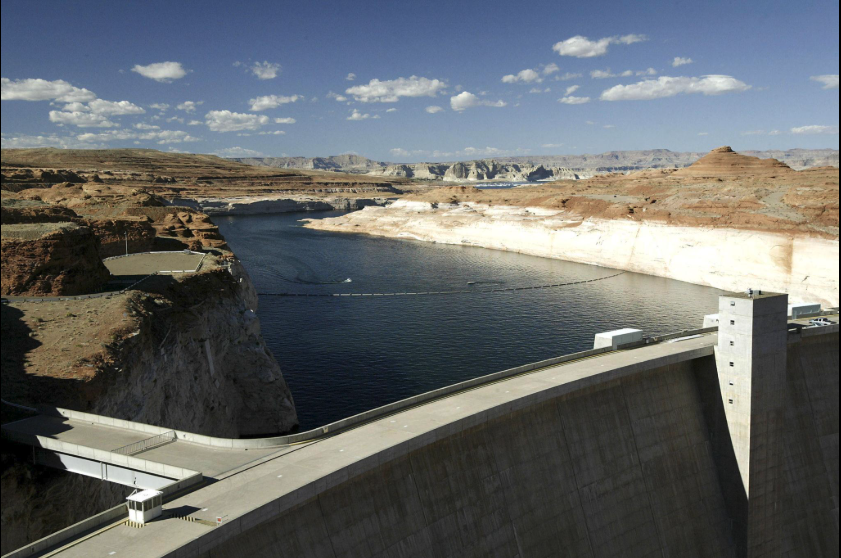
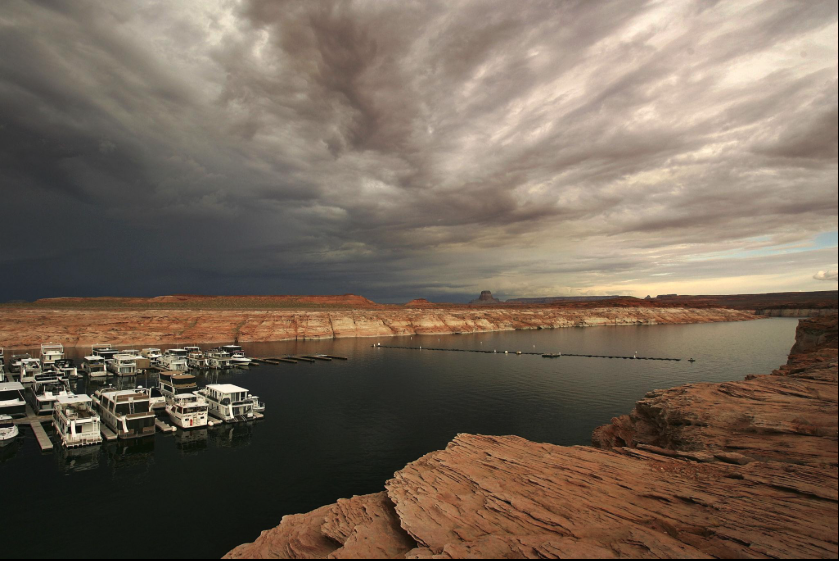
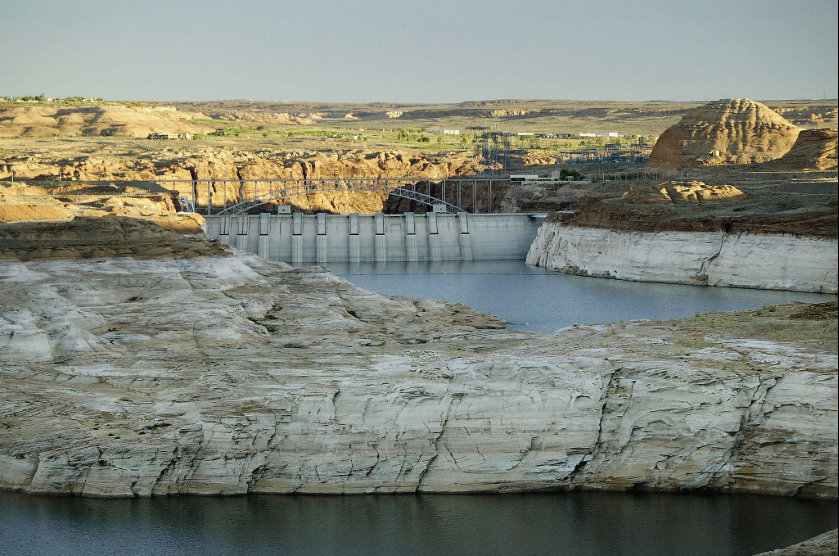
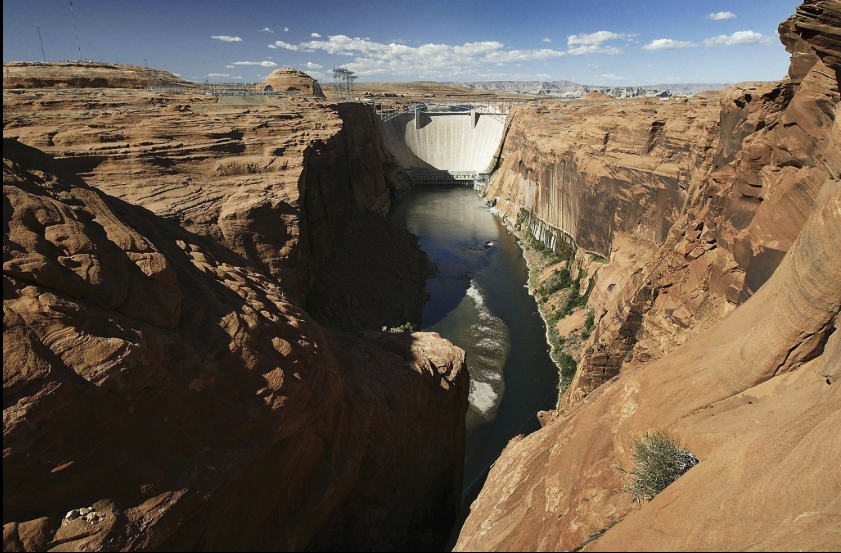
More than half the region remains in drought conditions, part of a long-running “megadrought” that has gripped the West for years. At the same time, key lifelines like the Colorado River — supplying roughly 40 million people — are in historic decline, with reservoirs such as Lake Mead and Lake Powell hovering near critical lows.
Scientists now argue the region may be entering what some call “water bankruptcy,” a point where demand permanently exceeds sustainable supply.
Layered on top of that is governance failure. Water systems designed decades ago are struggling to adapt to modern realities, often leaving the most vulnerable communities with the least political power over decisions that directly affect their survival.
It’s the rising cost of a basic necessity. For households, the most immediate impact is showing up in the mail.
Water and sewer bills in the United States rose 5.1% in 2025 alone, part of a 24% increase over five years. Another analysis found median water payments rising at twice the rate of inflation.
Water crisis grips American West. NAJ screen shot
Utilities say the increases are unavoidable.
Officials point to the cost of:
* Replacing aging infrastructure, often decades old
* Securing new water supplies as rivers and aquifers shrink
* Meeting stricter environmental and safety regulations
* Investing in drought resilience and water recycling
In the American West, those pressures are even more intense. Cities are paying dramatically more for water than agricultural users, highlighting deep inequities in how costs are distributed.
Now water bills are becoming a housing crises. For many residents, especially retirees, these increases are not abstract.
In rural California communities like those in the Sierra foothills, it’s not uncommon for monthly water bills to rival or exceed electricity costs. For older homeowners living on Social Security or modest pensions, even a $50–$100 increase can destabilize a fixed budget.
Water crisis grips American West. NAJ screen shot
Housing advocates and legal aid groups across the West report a growing pattern:
* Seniors falling behind on utility bills
* Liens placed on homes for unpaid water charges
* Mounting debt leading to foreclosure risk
* Residents forced to sell or abandon long-held properties
Unlike electricity, water is often managed by local districts with the authority to impose liens directly on property for nonpayment. That makes water debt uniquely dangerous — it can literally cost someone their home.
A Quiet Displacement
This dynamic is creating a form of “invisible displacement” in the West.
Unlike rising rents in major cities, water-driven housing loss often happens quietly, one household at a time — especially in rural and semi-rural communities.
Older residents are particularly exposed:
* They are more likely to own homes outright but live on fixed incomes
* They have fewer options to relocate or re-enter the housing market
* They often live in areas with smaller water systems, where costs per customer are higher
In some cases, entire communities face spiraling rates because shrinking populations must cover the fixed costs of maintaining water systems.
Inequality In the System
Experts say the crisis is not just environmental — it’s structural.
Large agricultural operations often pay far less for water than urban users, even as cities shoulder the cost of new infrastructure and conservation programs.
Meanwhile, governance systems frequently prioritize landowners or large stakeholders over renters, low-income residents and small homeowners.
The result is a system where those least able to pay are often hit the hardest.
What Comes Next
There is no easy fix.
Policymakers are exploring options such as:
* Tiered pricing systems to protect basic household use
* Rate assistance programs for low-income and elderly residents
* Water markets to allocate resources more efficiently
* Major investments in recycling, desalination and conservation
But even optimistic projections suggest costs will continue rising. As climate change accelerates and supplies tighten, the West is entering a new era where water is not just scarce — it is expensive.
And for thousands of residents, especially older Americans who built their lives in these communities, the question is no longer just how to conserve water. It’s whether they can afford to stay at all.
___
If you support truth in reporting with no paywall, and fearless writing with no popup ads or sponsored content, consider making a contribution today with GoFundMe or Patreon or PayPal.