



Guest Column –
By James Rhodes –
Special to the New American Journal –
When I was discharged after my tour of combat in Vietnam in November, 1969, I did not realize then I was literally “walking dead.” I had a tumor a year for 21 years – none of which have ever been treated at the Veterans Administration nor have I been “service connected” for any condition related to herbicidal poisons.
The Veterans Administration has at its disposal an army of legal administrators whose sole job is to prevent veterans from acquiring service connected pensions. We, claimants for service connected injuries, often lamented their motto was “Delay-Deny-Deceive” (until the petitioner dies). This is the only federal agency whose legal staff actively works against the clients they are charged to serve.
Veteran Administration adjudicators informed me my claim(s) were denied because I had “inherited those medical conditions from my mother” even though none of the claims board doctors has ever examined my mother.
As my condition worsened, I retained San Jose attorney, Steven Manchester, and we informed the State Department that I would be violating the Embargo and travelling to Vietnam for medical treatment; but, would make myself available for arrest upon my return to the United States.
Details of my trip were made from the Vietnamese Permanent Mission to the United Nations at 20 Waterside Plaza in New York City – where I underwent a series of “pre-screenings.” (Note: During this time period Hoang Bich Son ran the operations of this Mission and was directly responsible for me being cleared to enter Vietnam.)
We flew from the United States to Thailand. From Thailand we received special permission to enter Vietnam. Upon arriving in Saigon, we noticed from the aircraft window official looking young men and woman with armloads of flowers. We surmised we were on board with some type of celebrity.
Upon exiting the aircraft, we were surrounded by those same young men and women who presented to us the flowers. An older man in a military uniform shook my hand, then hugged me and stated in perfect English: “Welcome home my brother, now lets get you well.”
Because of my constant and severe pain, we were taken to a cobra farm. An elderly lady, who looked to be in her 80s, with traditionally black stained teeth, walked into the cobra area – none of which were in cages – and became one with her environment. Quietly and with the grace and moves of a ballet dancer, she picked up a large cobra, milked it, then released it as she exited the secured gate of the fenced in area.
The venom was diluted and I was given several ounces of that concoction to drink. Amazingly I began to feel better. Naturally I asked “How” and “Why?” It was explained to me that when a cobra strikes its victim in the wild, the poison paralyzes the central nervous system; however, if it is diluted, the poison acts as a sedative.
I was given deep body massages; steam and heat sessions; acupuncture; meditation sessions; herbal and traditional medical treatments. I took extensive notes that were later given to Veteran Administration doctors who immediately dismissed them. Apparently I was unqualified to conduct “unauthorized” medical research no matter how beneficial it may have been.
I also spent several days in the hospital and upon release I inquired about my bill. It was explained to me that because Vietnam offered medical services to everyone, those who could afford to pay were expected to “chip in something extra” whereas the poor could continue to be covered. I had a really uneasy feeling until they converted my bill into dollars which came out to about $5 a day. The medical staff did not understand why I found the bill to be hilarious.
I toured the countryside and visited many small farms as “private ownership” of land was a new concept. Never say the “C” word (capitalism) – use instead “entrepreneurship.”
Many peasants were now land owners and maximized their good fortune in the following manner. What would become rice fields were slightly flooded. This forced the snakes out, which were caught and then placed in snake farms. Rice was planted, and once the fields were flooded, fish were inserted and ducks were raised on top of the water.
When bicycle and motorcycle tires wore out, they were converted into sandals. Vacant lands, tops of houses, and along public roadways – people staked out areas to raise additional crops. This mindset was the engine that would later transform Vietnam into a leading agricultural exporter of coffee, tea, rice, black pepper and fish.
Because of the U.S. Embargo and the distance between major cities, each village had herbalists and elders who practiced traditional medicine. They encouraged me, once I returned to the United States, to pursue my heritage. Therefore, I began to traditionally sweat and engaged in Vision Quest – none of which, to date, is encouraged by the Veterans Administration.
The Vietnamese realized their system of operation was not working. In 1989 (after the end of the Cold War) a national congress was held in Hanoi to address this issue. After consultation, radical decisions were implemented, especially in the fields of global relations and agriculture.
English became the official auxiliary language of Vietnam; limited foreign investment was welcomed; private ownership of property and private businesses became “legal,” as such, farmers could now grow and sell as much as they could produce. Soviet/Russian advisors were no longer needed. English speaking tourists and investors were courted. This new system became known as DOI MOI.
In 1993 the United States reestablished relations with Vietnam. Soon afterward combat veteran Oliver Stone would open a medical clinic in Da Nang that serviced poor rural farmers, especially those that lost legs from abandoned mines we left behind. Combat veteran George Mizo would establish The Friendship Village to service the needs of the Vietnamese affected by herbicidal poisons (shortly after the dedication of this facility, Mizo himself would die of Agent Orange related issues). Many veterans (ignored by the V.A,) in need of medical treatment would be at the forefront of “medical tourism.”
During our years in Vietnam, after the war, we have encountered hundreds of American veterans who have seen first hand the benefits of traditional medicines, herbs, and healthy foods grown organically the old-fashioned way. Many of these small farmers are members of indigenous tribes whose knowledge we could all greatly benefit from.
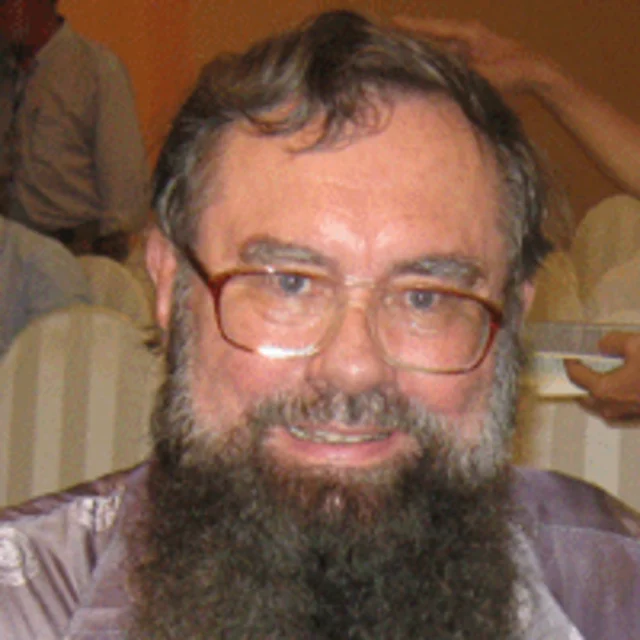
Jim Rhodes
___
James “Jim” Rhodes – Coweta Creek – served two tours as a United States State Department Fulbright Educational Specialist in Hanoi, Vietnam. He wrote a book on his Agent Orange and war experience, Diary of a Former Enemy, which became a best seller in Vietnam. All proceeds were donated to Vietnamese victims of herbicidal poisons. He was also the only American combat veteran to work for Quan Doi Nhan Dan, the Vietnamese Army’s official on-line daily newspaper; Bao Dien Tu, the Vietnamese government’s official on-line daily; Vietnam Television International; and was associated with Voice of Vietnam and Vietnam News Agency.) He also writes for the LA Progressive and New American Journal.
___
If you support truth in reporting with no paywall, and fearless writing with no popup ads or sponsored content, consider making a contribution today with GoFundMe or Patreon or PayPal.







Sadly, there are MANY like me…. jim