



Greenbelt National Park and Washington, D.C. – A Decade of Experience, With Photographs –
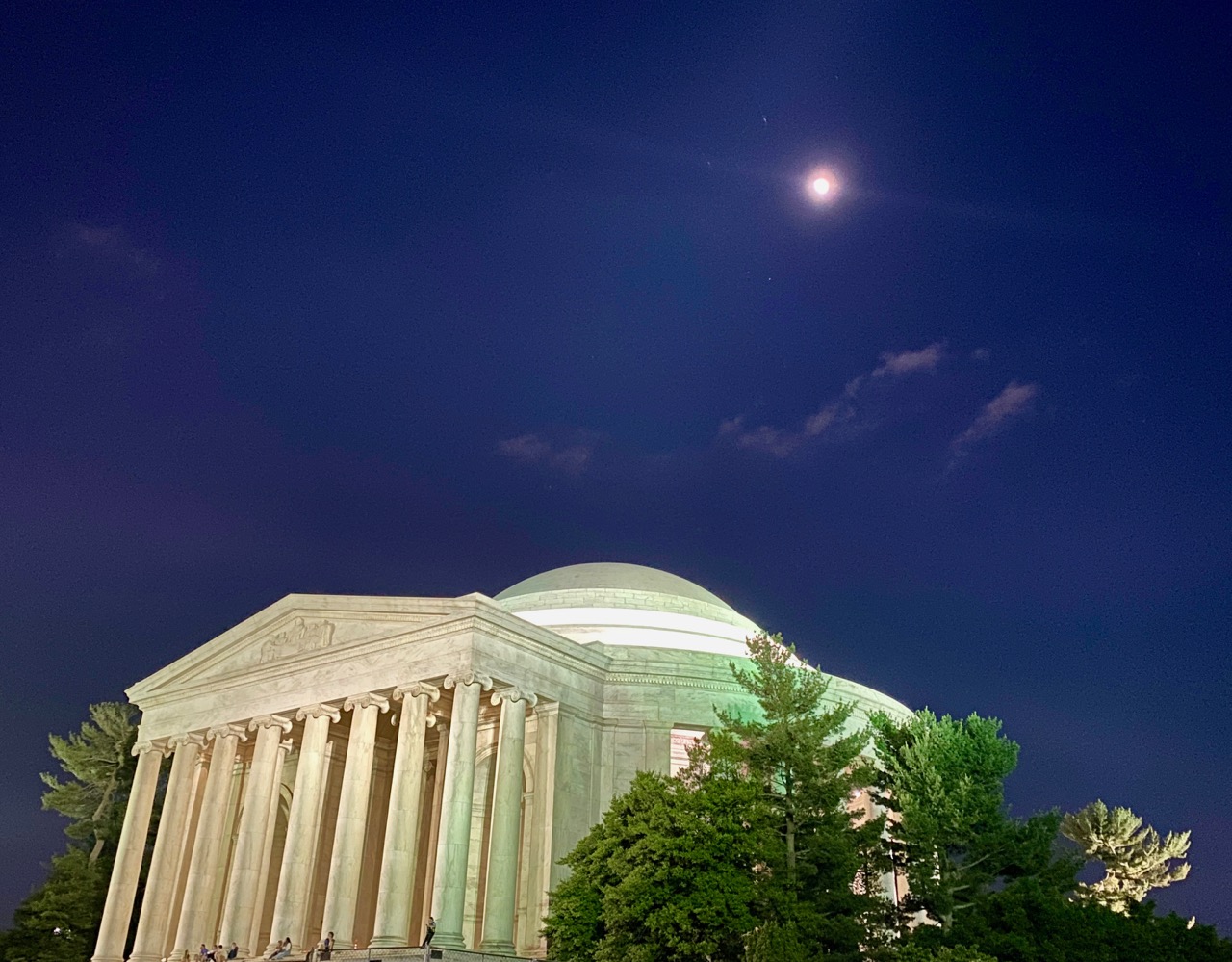
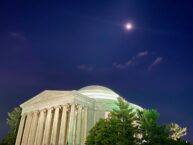
The Jefferson Memorial on a spring night, 2024: Glynn Wilson
EDITOR’S NOTE – This essay with links was developed to guide an interpretive ranger talk delivered on Wednesday, Sept. 3, 2025 at 4 p.m. outside the Greenbelt National Park Ranger Station. It was not designed as a public program, but a program for rangers, staff and a few friends before leaving the Washington, D.C. area, perhaps for the final time.
The Big Picture –
By Glynn Wilson –
WASHINGTON, D.C. – It has been a distinct honor, privilege and at least some of the time a pleasure to serve my country and the National Park Service as a volunteer over the past decade. So much has happened in that time it would take too long to tell it all.
But every ranger program needs a bit of interpretation, as I was recently reminded when I happened to peruse a book from the park library: Interpreting Our Heritage, by Freeman Tilden.
Now this is a pretty old book. But it is still recommended reading for the Interpretive Rangers of the National Park Service. As I’ve said and written before, the park ranger with the iconic ranger hat is one of America’s greatest ideas, a special new class of professional created over 100 years ago to be the guides and caretakers of our great American national parks.
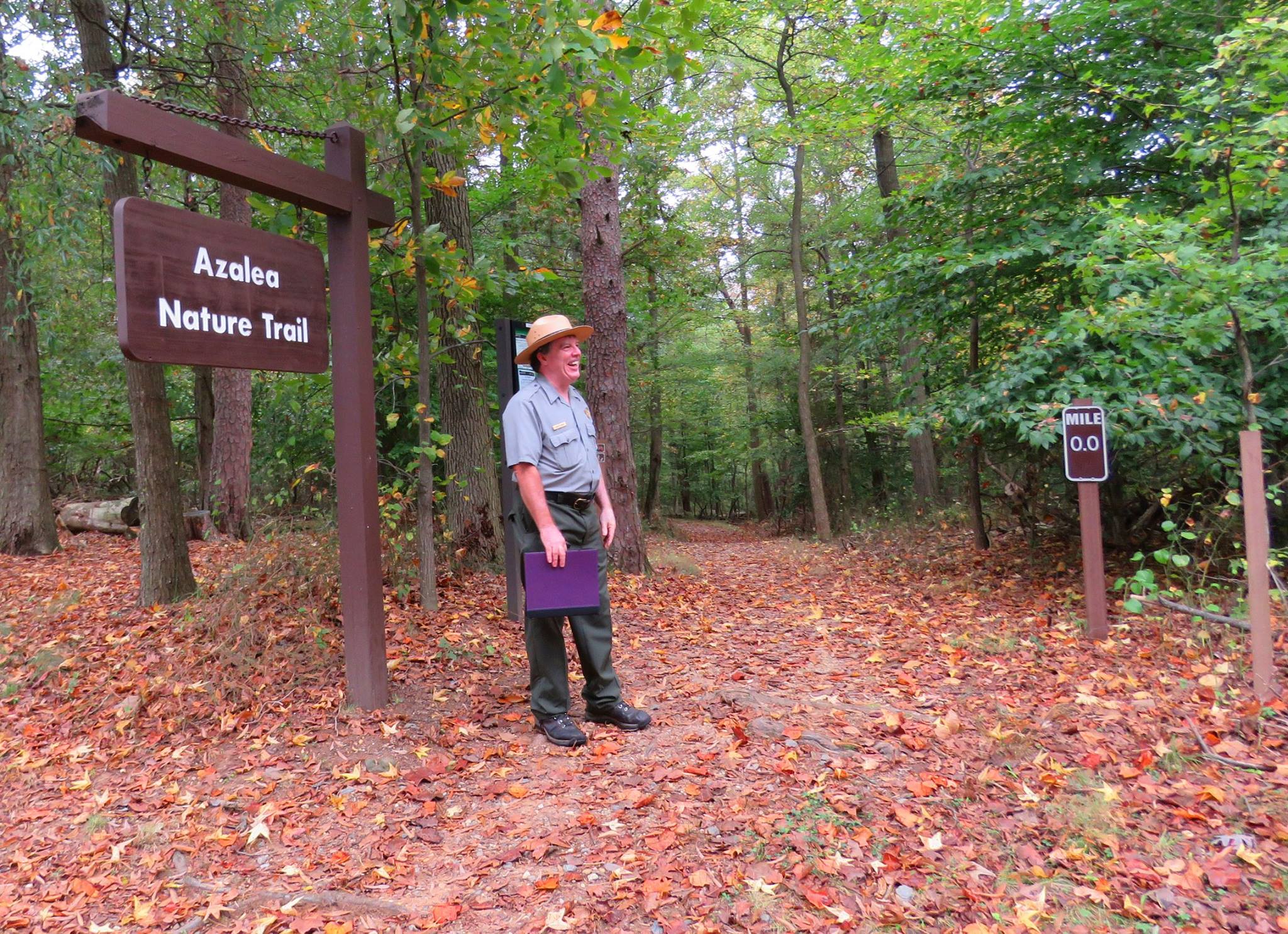
National Park Service Ranger Kevin Barry, Greenbelt National Park: Glynn Wilson
You’ve heard this called “America’s Best Idea,” from the documentary produced on the parks by Ken Burns. In fact he used it in the title when it came out in 2009.
The National Parks: America’s Best Idea
But as you may or may not know, he was not the first to say it. Writing about the parks in 1983, Western writer Wallace Stegner was first: “National parks are the best idea we ever had. Absolutely American, absolutely democratic, they reflect us at our best rather than our worst.”
There are critics who take issue with this bold proclamation. When the documentary first came out on PBS, I joined the chorus of those who quibbled with it, just a bit. Up until recently, I thought our best idea was our unique construction of democracy itself, a democratic republic – “of, by and for the people” – which Ben Franklin said, you recall, “if you can keep it.”
That is a question that still holds resonance today, ladies and gentlemen, as it was there in Philadelphia at the close of the Constitutional Convention in 1787, since it appears to be under threat today in Washington.
If You Want to Keep Democracy Alive, Vote Nov. 6 Like Your Life Depends on It
The idea of democracy goes back centuries to Ancient Greece, and even the Romans at times had a Senate. But our idea here inspired revolutions all across Europe that toppled most of what was left of Monarchies led by kings, queens and popes.
But to the question of America’s best ideas, some have called the Bill of Rights our best idea, the first 10 Amendments to the Constitution. African American writers weigh in saying Lincoln’s Emancipation Proclamation and 13th Amendment are also great ideas. Women writers have argued that the 19th Amendment was a great idea, giving women the right to vote. They’re all great ideas that certainly belong in the top ten.
None of them seem to be in fashion anymore in Washington, however, where some politicians seem to profit politically and financially from maligning this great country and our capital city as a “swamp” – where crime is “out of control” – not counting those pardoned for attacking the Capitol on Jan. 6, 2021.
And god forbid, the city is full of such horrors as Democrats, liberals, black and brown men, women and children, who simply want the same as all people: A chance to work for a decent life with a little bit of individual freedom – without being harassed all the time by politicians in Washington. They are certainly not okay with having armed troops aiming automatic weapons at citizens in their own neighborhoods, or being arrested and locked up without due process and deported to some foreign jail. These are not democratic ideals at all.
In spite of what anyone says, Washington is a beautiful and brilliantly designed city. From the Neo-classical architecture of the White House, the Capitol and the Supreme Court – home to the three branches of government with checks and balances on their power – to the monuments, memorials and museums, it is a city that exudes cultural as well as political power.
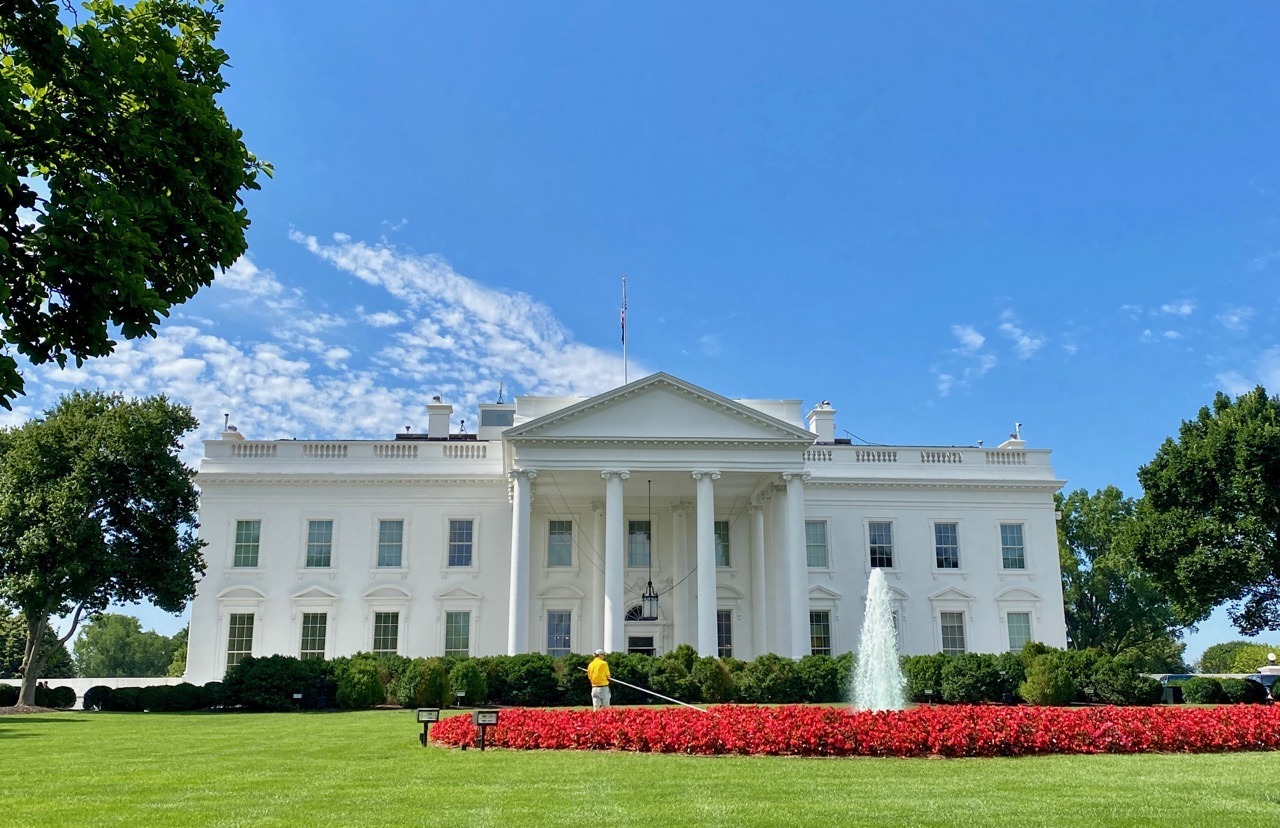
The White House: Glynn Wilson
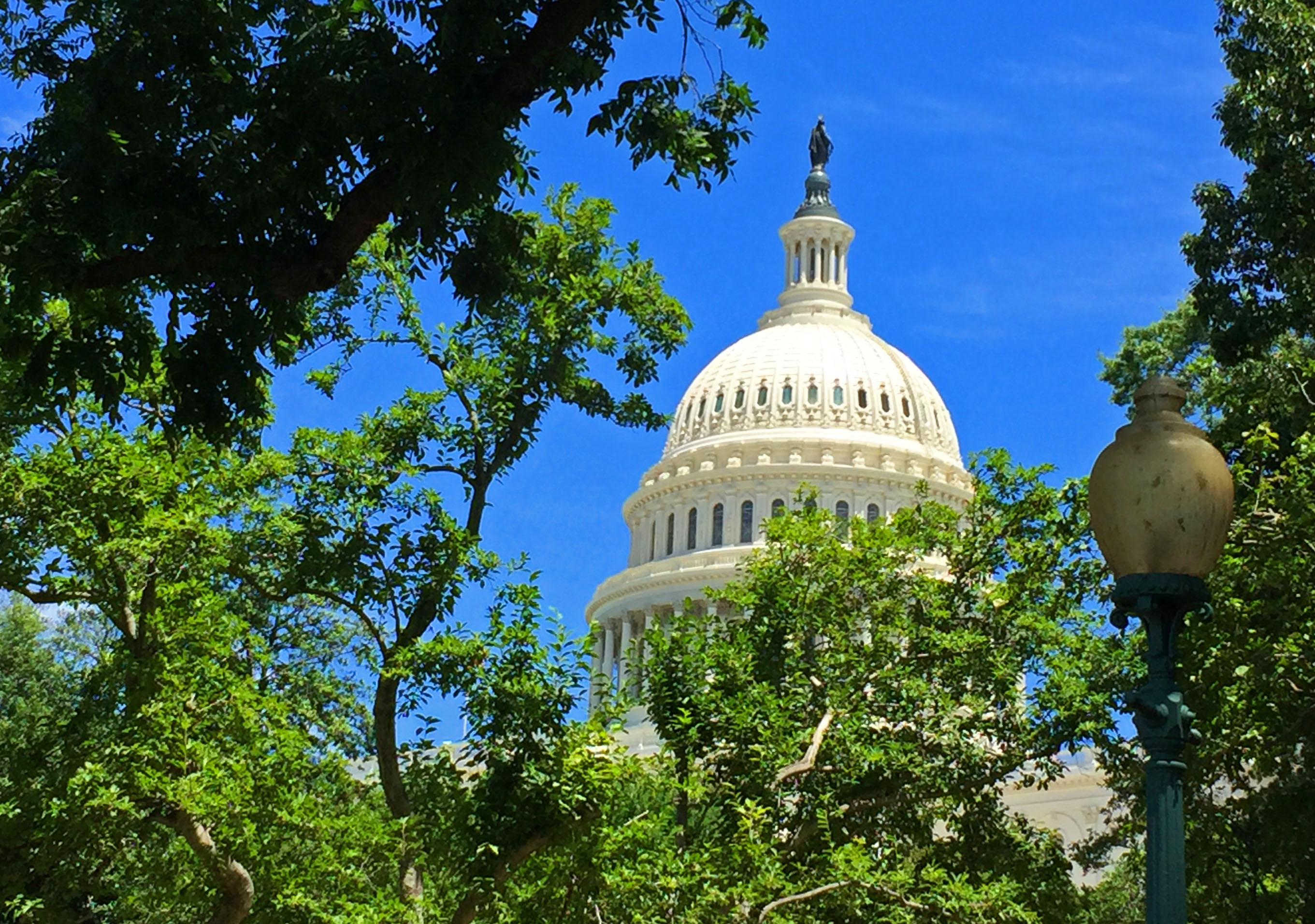
A unique view of the U.S. Capitol building in Washington, D.C., July 7, 2018: Glynn Wilson
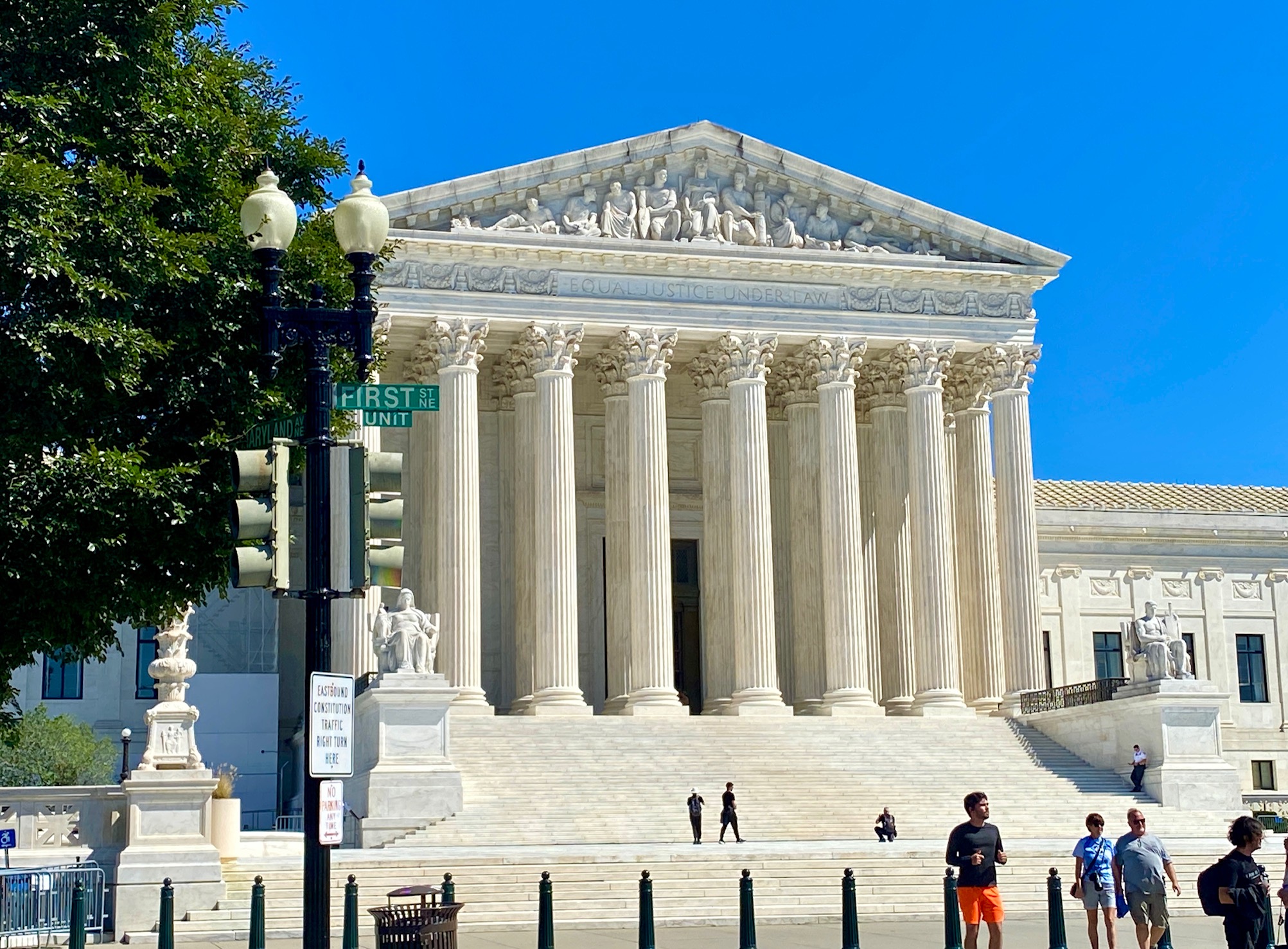
A view of the U.S. Supreme Court building in Washington, D.C.: Glynn Wilson
People the world over are awed by it, as we as rangers and volunteers know from first hand experience, catering to visitors and campers from all over Europe, Canada and the world. This year there were more Germans, a few from France, a couple from Austria, the Netherlands, Israel and even Australia. Way fewer than usual came this year from the UK, Canada and parts of Asia. International travel is way down because of what’s going on in Washington.
Yet at home, many people seem to loath everything about this place. Like much in this crazy, mixed up world today, this does not make much sense to me. I came here first in 2014 to live a dual dream, to cover American democracy up close, and to explore the campgrounds around Washington to find a way to live and work here cheaply and independently on the web. My aim was to learn and photograph the nation’s capital city, and to write about that one great idea, American democracy.
By volunteering with the National Park Service, I also immersed myself in this other great idea, and came away a far, far better person for it. A slogan and mission statement came to me here that will remain with me always: “Protect Democracy – Preserve the Earth – Savor Life.”
Yes, as always, I’ve found ways to have some fun along the way. You have to.
Greenbelt National Park
At the same time Washington seems much misunderstood, this park, this green space set aside between Washington and Greenbelt and Baltimore developed alongside the BW Parkway, is also a special place. Even though I’ve spent countless hours in conversations with rangers here wondering why very few people in management positions downtown seem to notice. Even the great Washington Post, which appears to be dying now along with much of the nation’s press, has not once written a word about the place in the 10 years since I’ve been coming here. I’m still left wondering why.
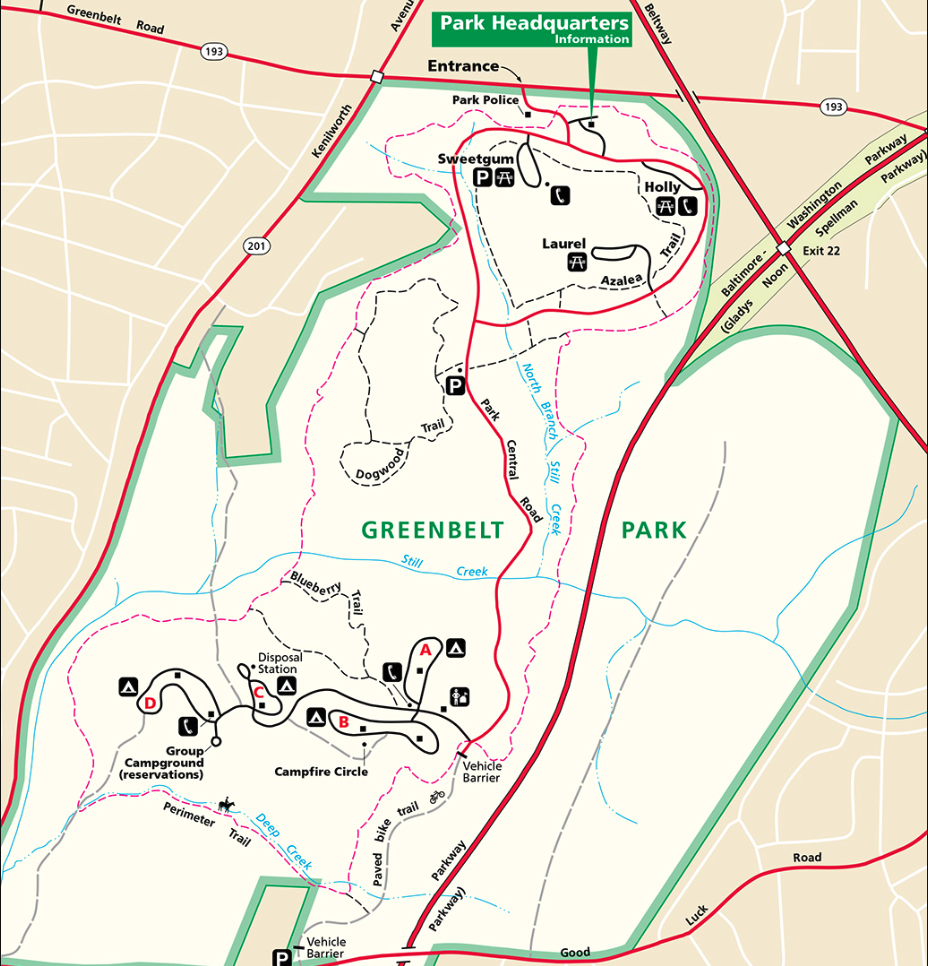
Greenbelt Park Map: NAJ screen shot
This place has at times seemed to fly below the radar like a spy plane on a mission. Maybe there are people who would like to keep it that way, like Catoctin Mountain Park north of here in the mountains.
Secret Vistas: Visiting the Catoctin Mountains One Last Time
The park service never mentions the presence of Camp David, and it does not appear on any official maps. It’s not like anyone with a smart phone can’t find it on the Apple or Google GPS map.
Camp David: The White House in the Mountains of Maryland
This park and campground could be so much more. It needs a full time hazard tree program and firewood program like the one in Catoctin. I wrote the plan. With modernized comfort stations, level campsites and new pavement, this place could be really nice. With a few power hookup sites in the B-Loop and maybe a charging station for electric vehicles, yes the price would go up, and so would the revenue to keep it up.
It may never get the chance – if this administration has its way – gutting the federal government to the bone and not for good government purposes. Just for “retribution” against the so-called elites and the “deep state” to “stick it to the libs.” That may bring political currency in some circles. But it defies logic and obliterates history. Maybe that’s the point. They seem intent on wiping our history clean and white, like Tide detergent advertised on television.
Sorry for the political rant.
Back to the interpretive story.
As Tilden wrote: “Any interpretation that does not somehow relate what is being displayed or described to something within the personality or experience of the visitor will be sterile.”
As he points out, and we already know, interpretation is just another way of telling a story. It has a similar purpose but is a little different from a lecture in a college classroom, something I have experience doing. Or for that matter, a legend passed down by word of mouth from one native to another before there was the written word. Story telling changed with the invention of the printing press, then again with radio and again with moving pictures and television. It changed again with the internet, and now podcasters are having a day.
Very soon all the stories my be generated by Artificial Intelligence bots, their limited knowledge generated by a grand theft of epic proportions, stolen from the very people this new technology will put out of work.
As I was scanning through Tilden’s book, I noticed he quotes Ralph Waldo Emerson a lot. No sign of his contemporary, Henry David Thoreau. But even looking back at Emerson’s work, he said something I found revealing.
“The world exists for the education of each (person). There is no age, or state of society, or mode of action in history, to which there is not something corresponding in his own life.”
His own life, he says. Is my own life not also worthy of a story?
So many of us were taught back in the 20th century that telling stories was to be “objective” in an unscientific sense. The stories had to be about something or someone “out there” and we were never to include ourselves in the story, not even our own image. Emerson may have been the first to hint at a problem with this method, although he practiced it himself. If you look back at his work on Nature, this objective limitation becomes clear. It’s an abstract, academic polemic.
His pupil, on the other hand, Thoreau, took Emerson’s advice to heart and wrote all about himself, even using the outlawed first person.
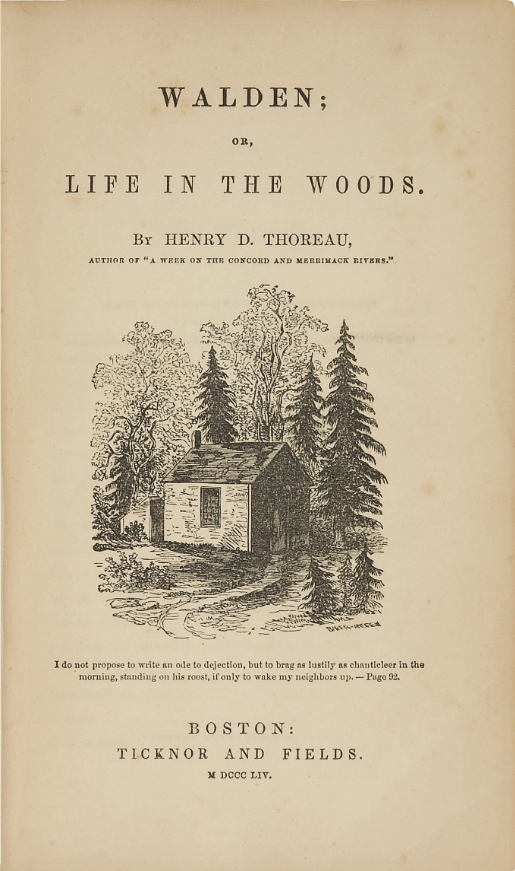
“In most books, the I, or first person, is omitted,” Thoreau says in the introduction to Walden, making the case for why he used it. Of course there were far, far fewer books to read then, and many in the early days of the Republic read most of what was published up to that time. Check out Jefferson’s library at the Library of Congress, and compare it to the contents of the Library of Congress today. Then add the contents of the web. No one could read it all today.
Thomas Jefferson’s library books on display in the Library of Congress
“In this it will be retained …,” Thoreau continued. “We commonly do not remember that it is, after all, always the first person that is speaking. I should not talk so much about myself if there were anybody else whom I knew as well,” he wrote jokingly.
“Unfortunately, I am confined to this theme by the narrowness of my experience. Moreover, I, on my side, require of every writer, first or last, a simple and sincere account of his own life, and not merely what he has heard of other men’s lives…”
There it is. Mr. Thoreau, this is my story.
Walden, published in 1854, far surpassed everything Emerson ever wrote. It is now a literary classic, still in print and the inspirational story known by every writer who sets out to tell stories about nature, including the national parks.
This world began to change with the new journalists of the 1960s and ’70s, who put themselves in the action of stories, like Norman Mailer and Hunter Thompson. Even in popular music, Joni Mitchell wrote songs from her own experiences.
We Lived in the Time of Joni Mitchell
Of course this world of distance from story teller to subject is all but gone now, obliterated by reality television and the YouTube bloggers who first started aiming the camera at themselves, and then came the selfie on Instagram and Facebook.
But in his time, Thoreau said he learned this from his experiment in living simply outdoors.
“… if one advances confidently in the direction of his dreams, and endeavors to live the life which he has imagined, he will meet with a success unexpected in common hours. He will put some things behind, will pass an invisible boundary; new, universal, and more liberal laws will begin to establish themselves around and within him; or the old laws be expanded, and interpreted in his favor in a more liberal sense, and he will live with the license of a higher order of beings.”
In short he wrote:
“In proportion as he simplifies his life, the laws of the universe will appear less complex, and solitude will not be solitude, nor poverty poverty, nor weakness weakness…”
This has been my own journey over the past decade, as I wrote a few years ago.
“I am dwelling in similar woods and contemplating the elements as deeply. In fact, I have now lived 15 years longer than Thoreau, in a much more modern and tumultuous time, and I have seen much more of the world. Thoreau lasted two weeks as a school teacher. I taught at the university level for a decade. He wrote for various journals in his time. But he never created three of his own or made any money or gained any fame from doing it while he was alive. He never made the front page of the Sunday New York Times (as I did).
An Update on Thoreau’s Necessities of Life.
In fact, Thoreau was considered an odd duck by his peers and he could not give away a book while he was alive. Only later was he “discovered” as the great, pioneering thinker and writer that we study today.
So forgive me for putting myself into this story. But I can think of no other way to tell it. Notice that Thoreau describes in great detail the changes in the flora and fauna over the seasons in the place he chose to build a small cabin and live simply in the woods by a pond in Concord, Massachusetts.
So that is how this set of photographs is arranged. To show the changes in this special place as the seasons change.
Thoreau did not have the benefit of photography in his time. Only a few drawings. We now have color digital photography. Which by the way also happens to surpass the great photography of Ansel Adams, who only had black and white film in his time when he was in on the movement to convince Americans to go along with creating and preserving national parks.
My philosophy on nature photography as art involves nature itself. Nature provides the art. You just have to jump on the bus, show up and be there to capture the light. I found the perfect expression of this on a journey out west in 2016 passing through Sioux City, Iowa.
As Knute E. Westerlind, the architect of Municipal Auditorium in Sioux City, Iowa, said: “Art at its highest and nature at its truest are one.”
Follow An ‘Expedition of Rediscovery’ on the Way to Cannonball North Dakota
Preservation was John Muir’s word. Gifford Pinchot chose conservation, and went on to lead the Forest Service. The melding of their ideas and influence on President Teddy Roosevelt swayed public opinion and led to this great idea becoming a reality, one that has now spread the world over.
Frenemies John Muir and Gifford Pinchot
A Toast to the Ranger
Long live the American National Park Service Ranger, hopefully not an endangered species.
So as a final word, if we were allowed to consume alcohol here, I would say raise your glasses to honor a special kind of hero: The American National Park Service Ranger.
To the guardians of our nation’s most treasured landscapes:
From the peaks of Yosemite to the depths of the Grand Canyon,
From ancient redwoods to the stars of Shenandoah,
whispering secrets to those who listen to the barred owls on dark nights,
You are the stewards of beauty, the storytellers of history, and the quiet protectors of the wild.
You walk and clear the trails so we can safely explore.
You preserve the past so we can remember who we are.
You teach, protect, rescue, and inspire,
often all in the same day, and usually without applause.
To the rangers who give voice to the land and heart to the parks:
May your boots stay dry and your stories remain clear.
And along with the volunteers, may you find peace in the forests you protect,
and under the skies above.
Here’s to your your commitment, your courage and your compass—
Pointing always toward the best of what this country can be.
Just A Few of the 180 Photos in the Program
Washington, D.C.
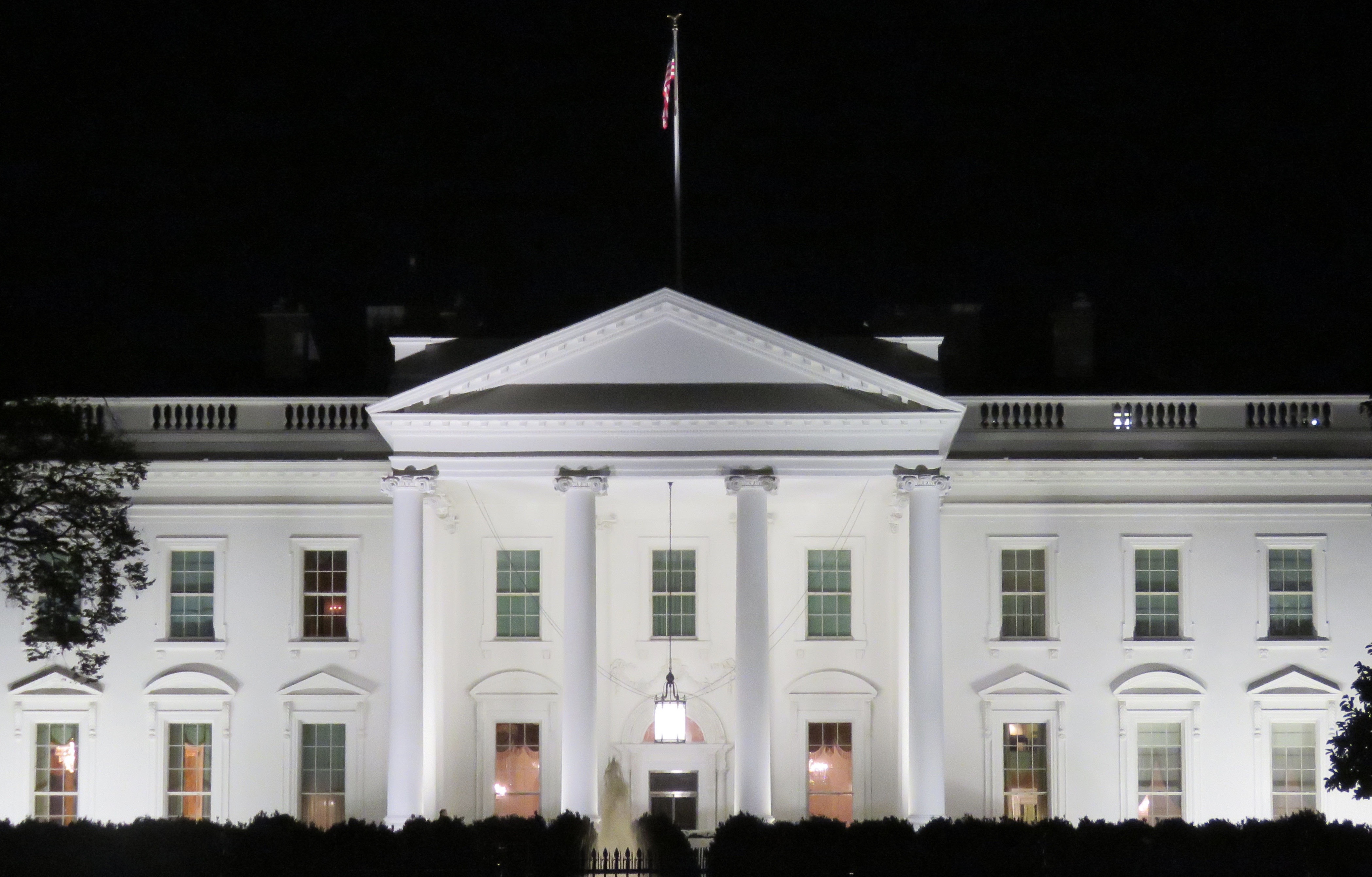
A night view of the White House from Lafeyette Square Park in Washington, D.C.: Glynn Wilson
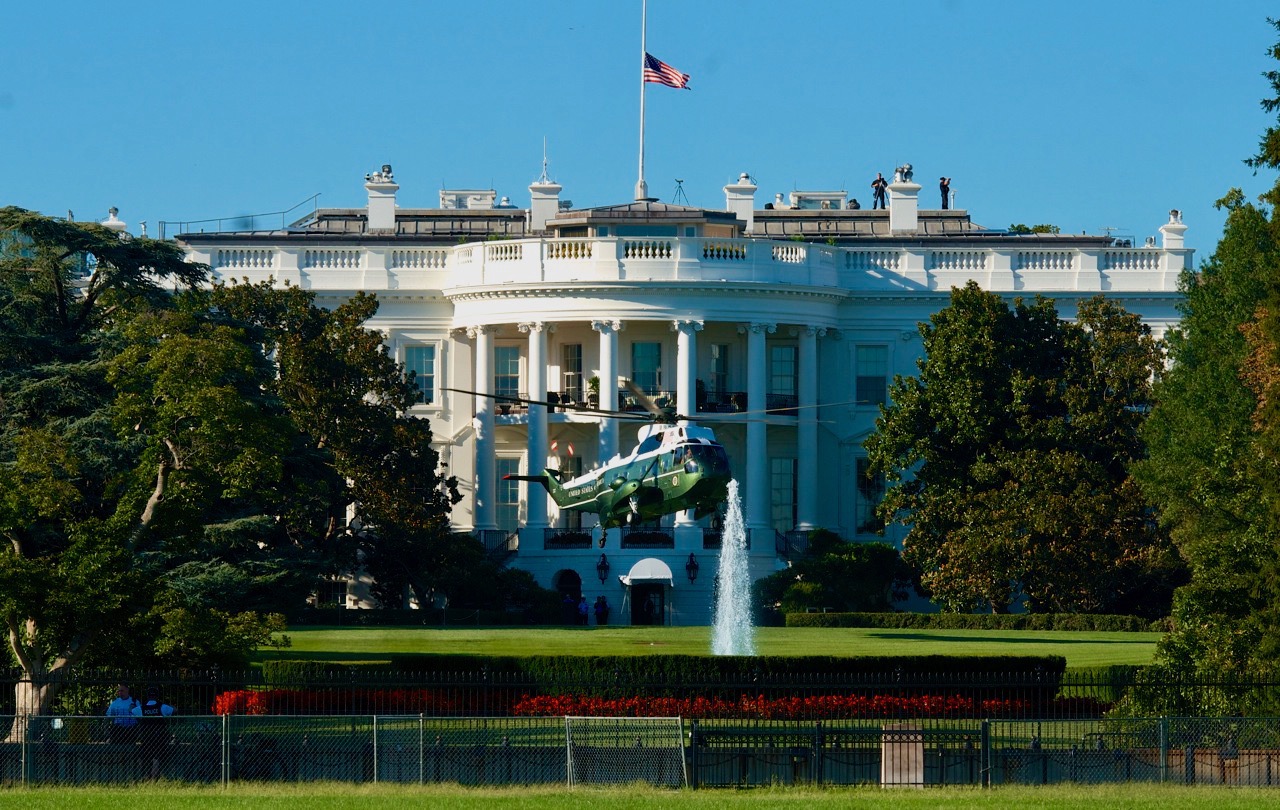
President Barack Obama arriving at the White House aboard Marine One: Glynn Wilson
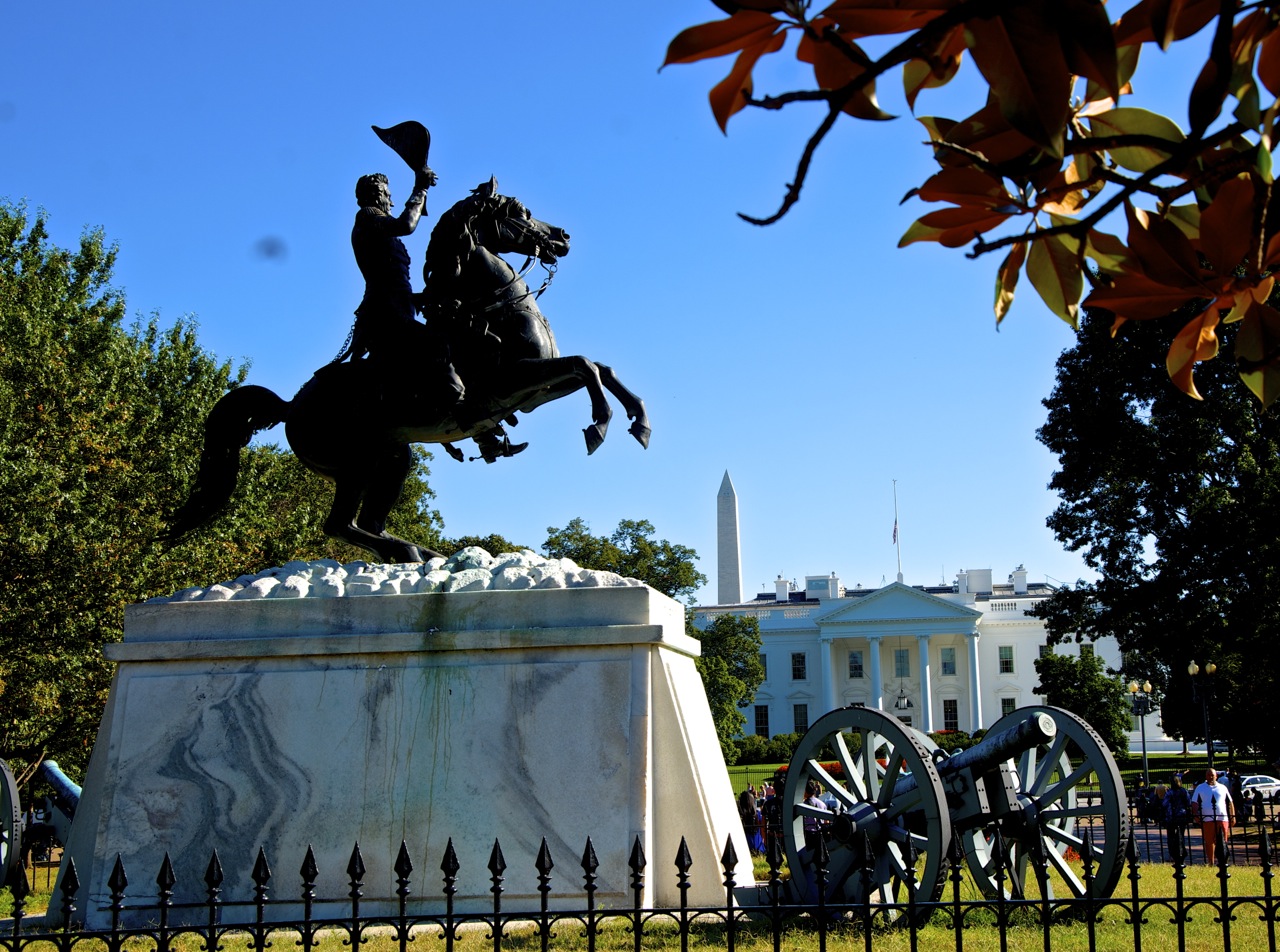
An afternoon view of the north lawn of the White House with the statue of Andrew Jackson rearing on horseback in the foreground and the Washington Monument in the background on Sept. 11, 2015: Glynn Wilson
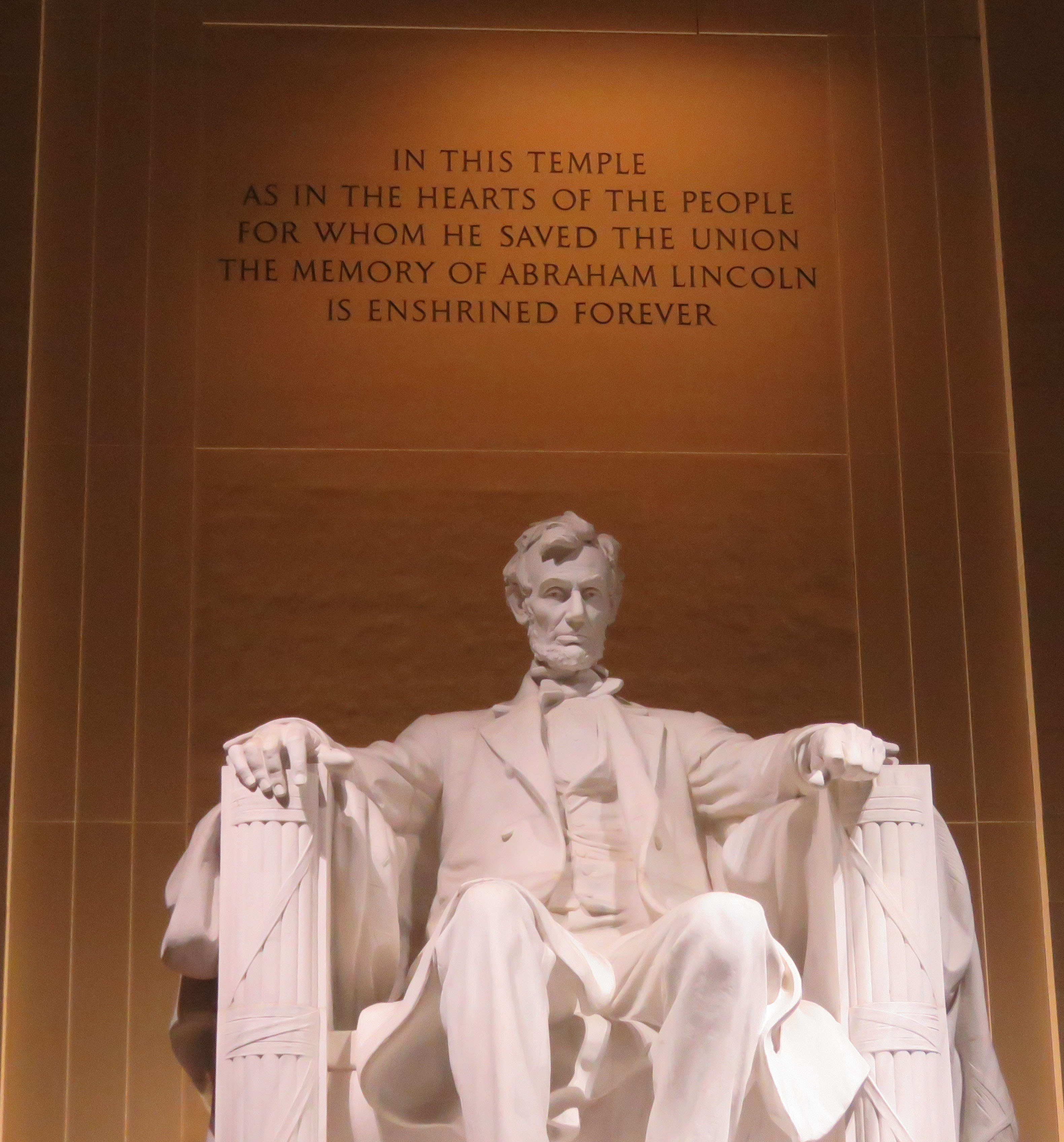
A night shot of the Lincoln Memorial in Washington, D.C.: Glynn Wilson
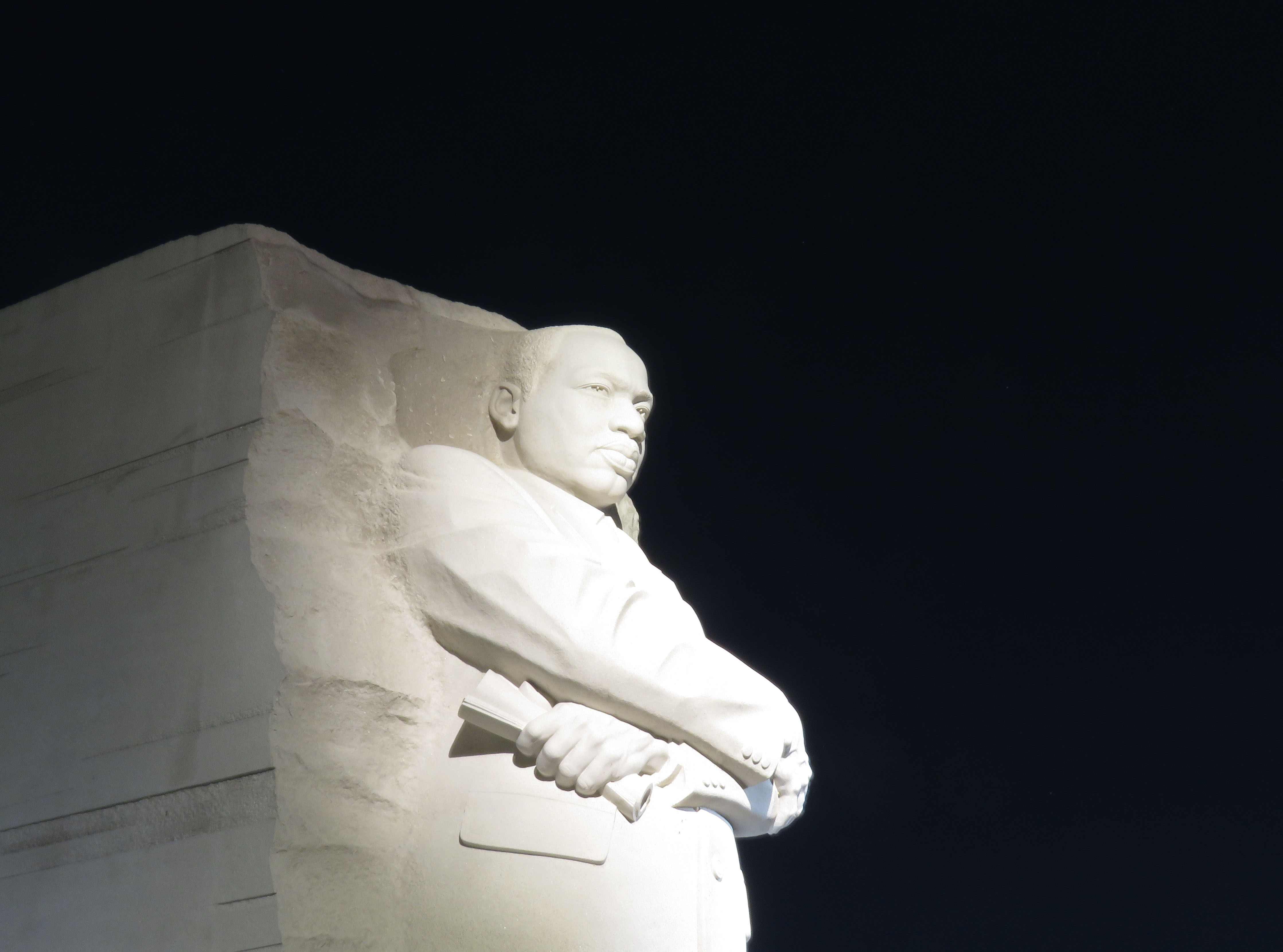
A night view of the Martin Luther King Jr. Memorial on the National Mall in Washington, D.C.: Glynn Wilson
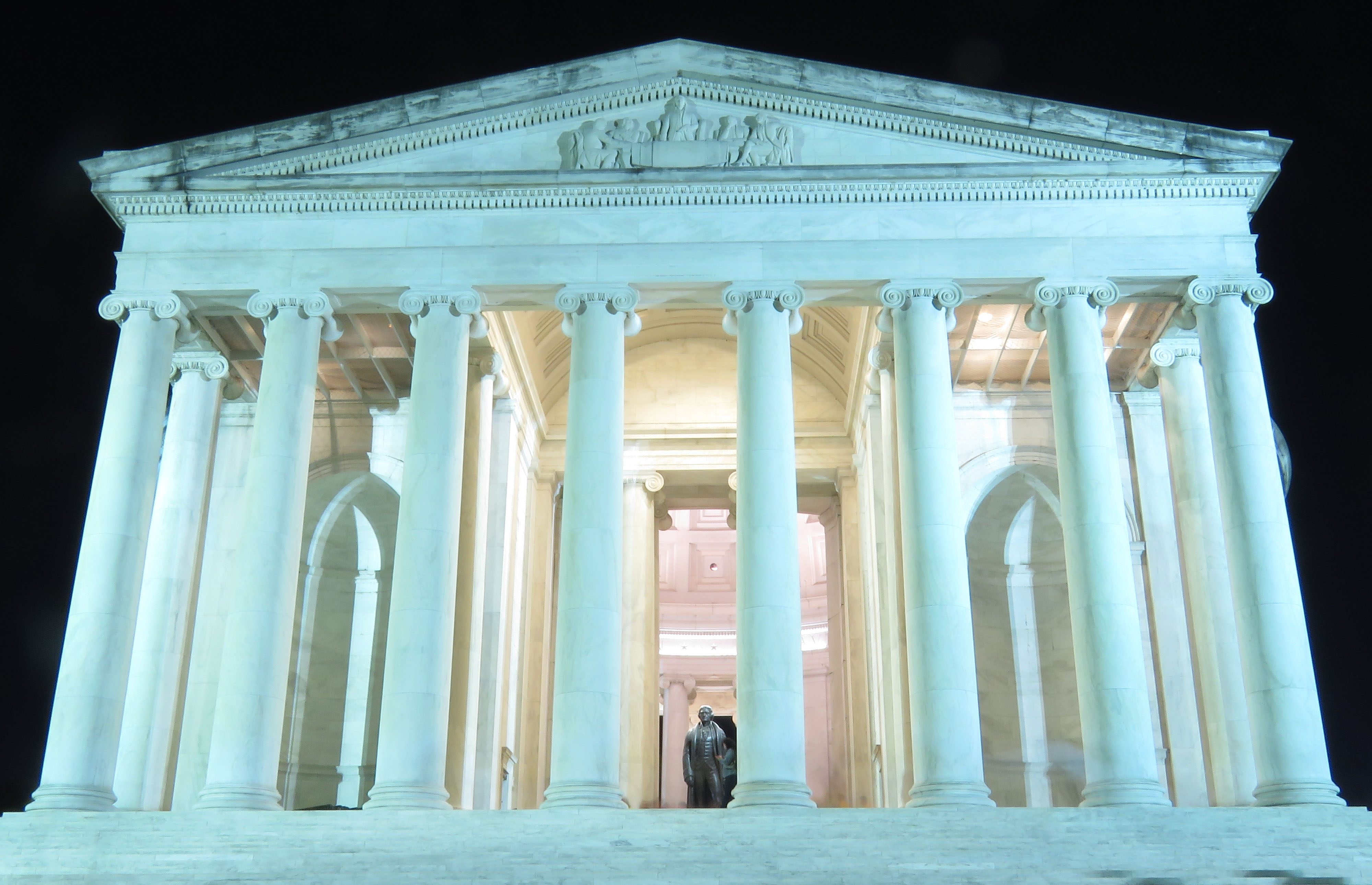
A night shot of the Jefferson Memorial in Washington, D.C.: Glynn Wilson
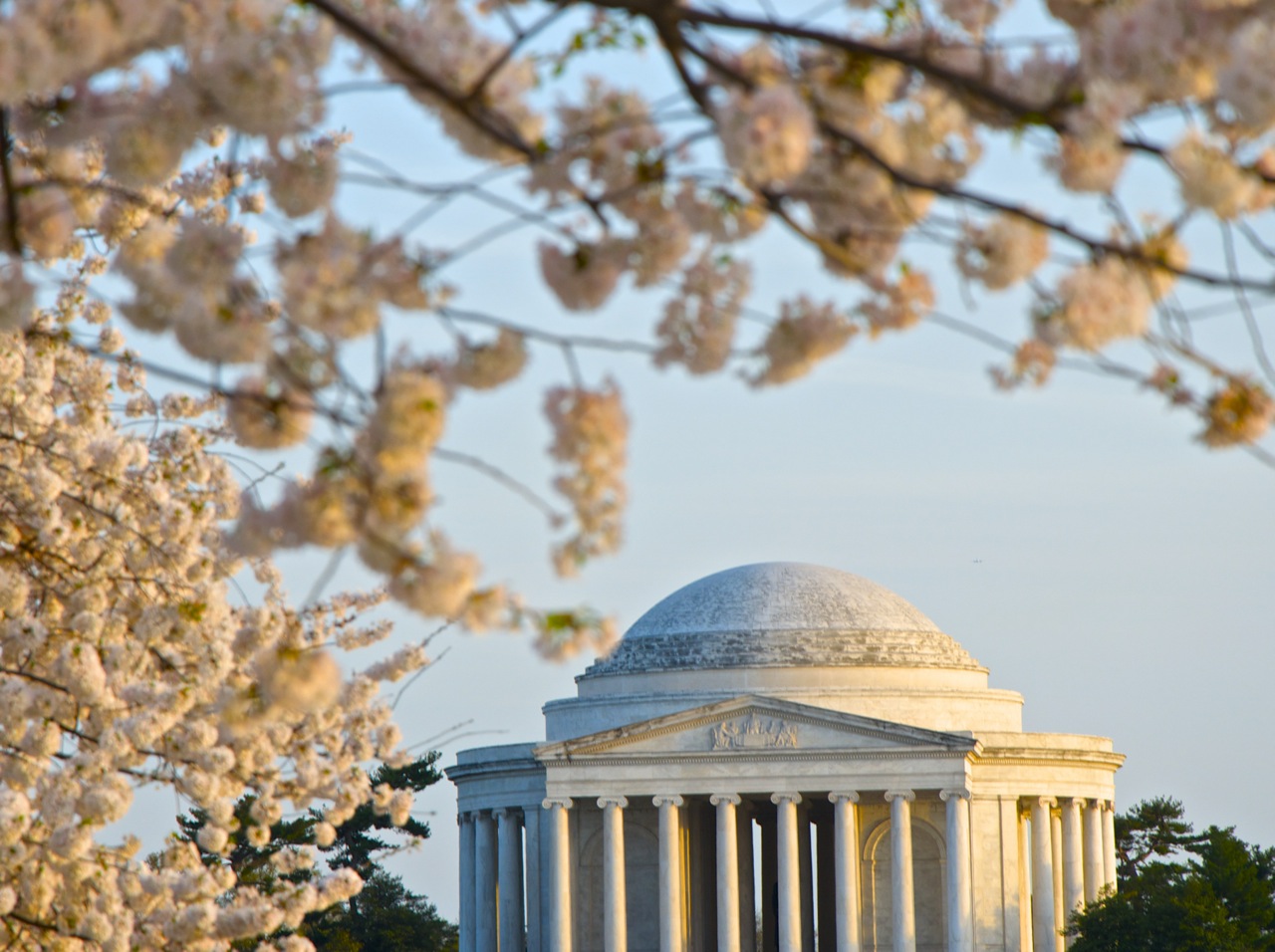
Washington cherry blossoms in full bloom framing the Jefferson Memorial: Glynn Wilson
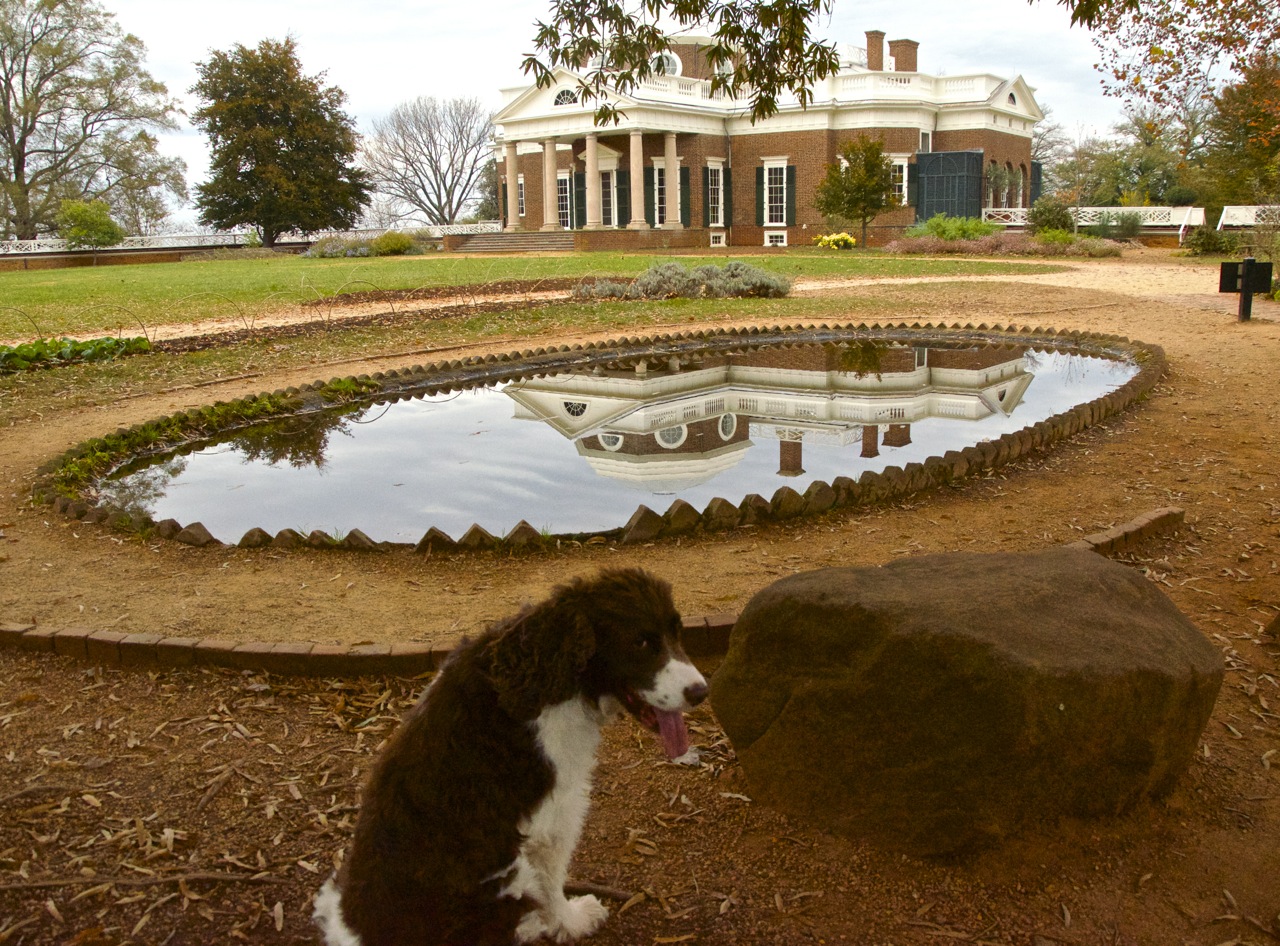
A reflected view of Thomas Jefferson’s masterpiece home at Monticello: Glynn Wilson
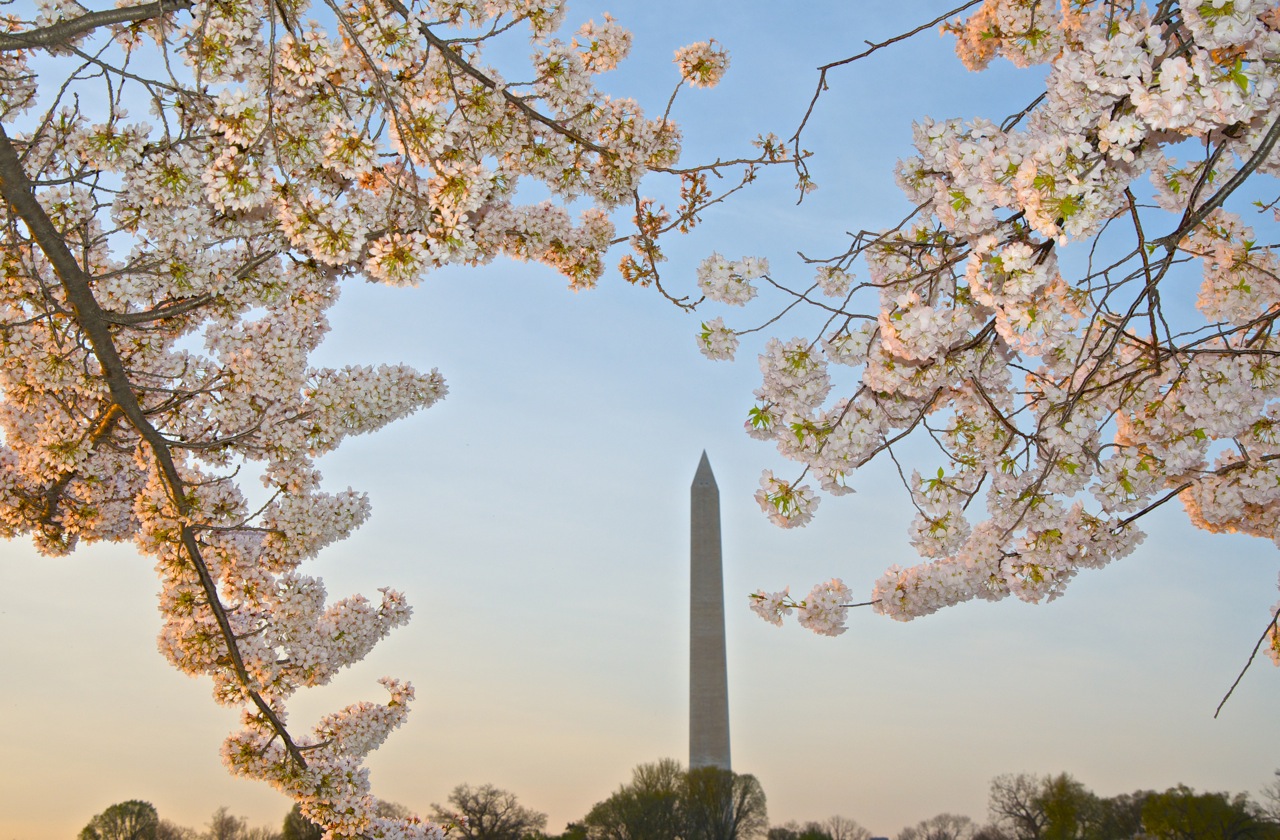
Washington cherry blossoms in full bloom framing the Washington Monument: Glynn Wilson
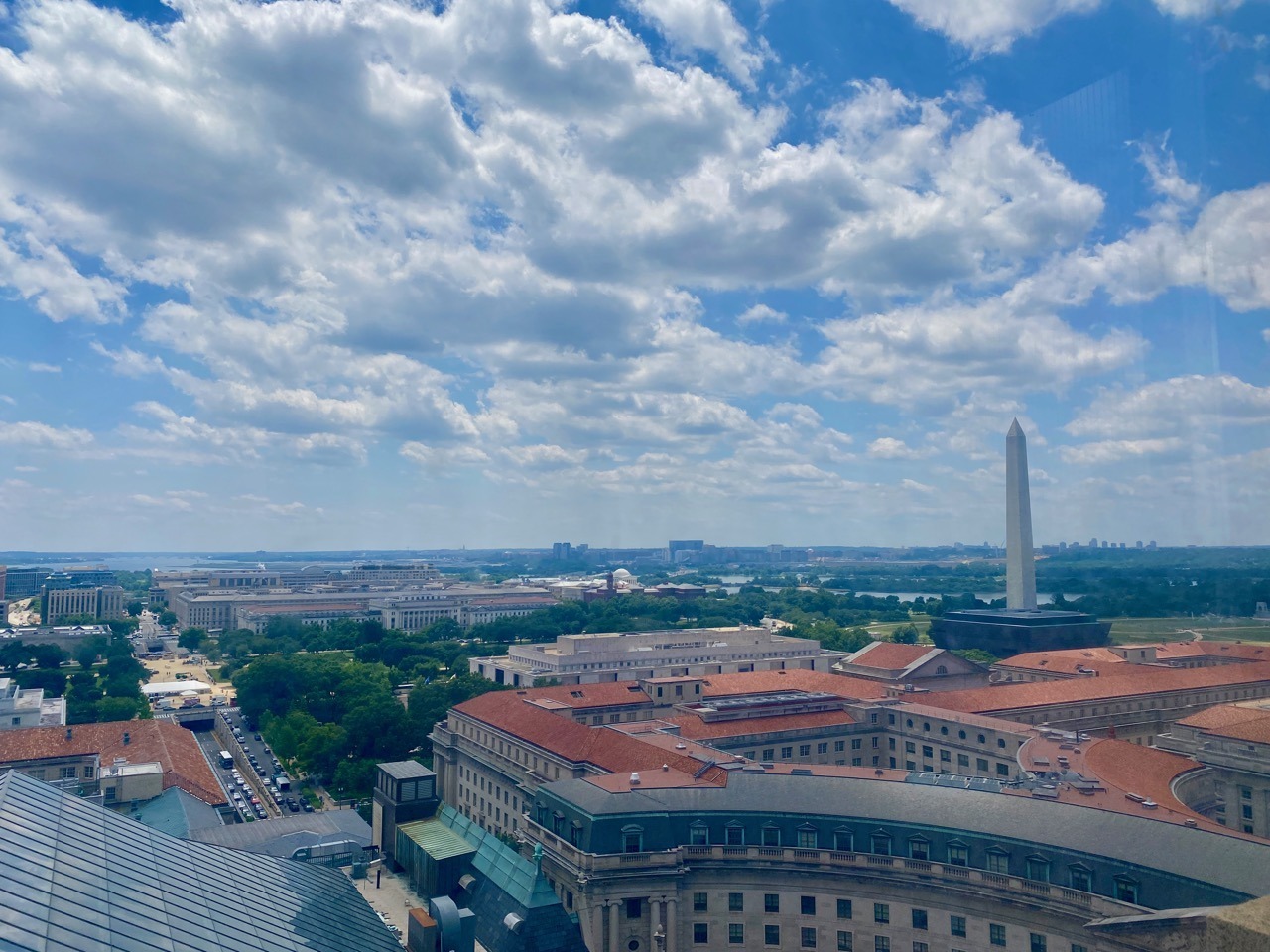
The view from the Old Post Office Tower in Washington, D.C. That’s the EPA building across the street: Glynn Wilson
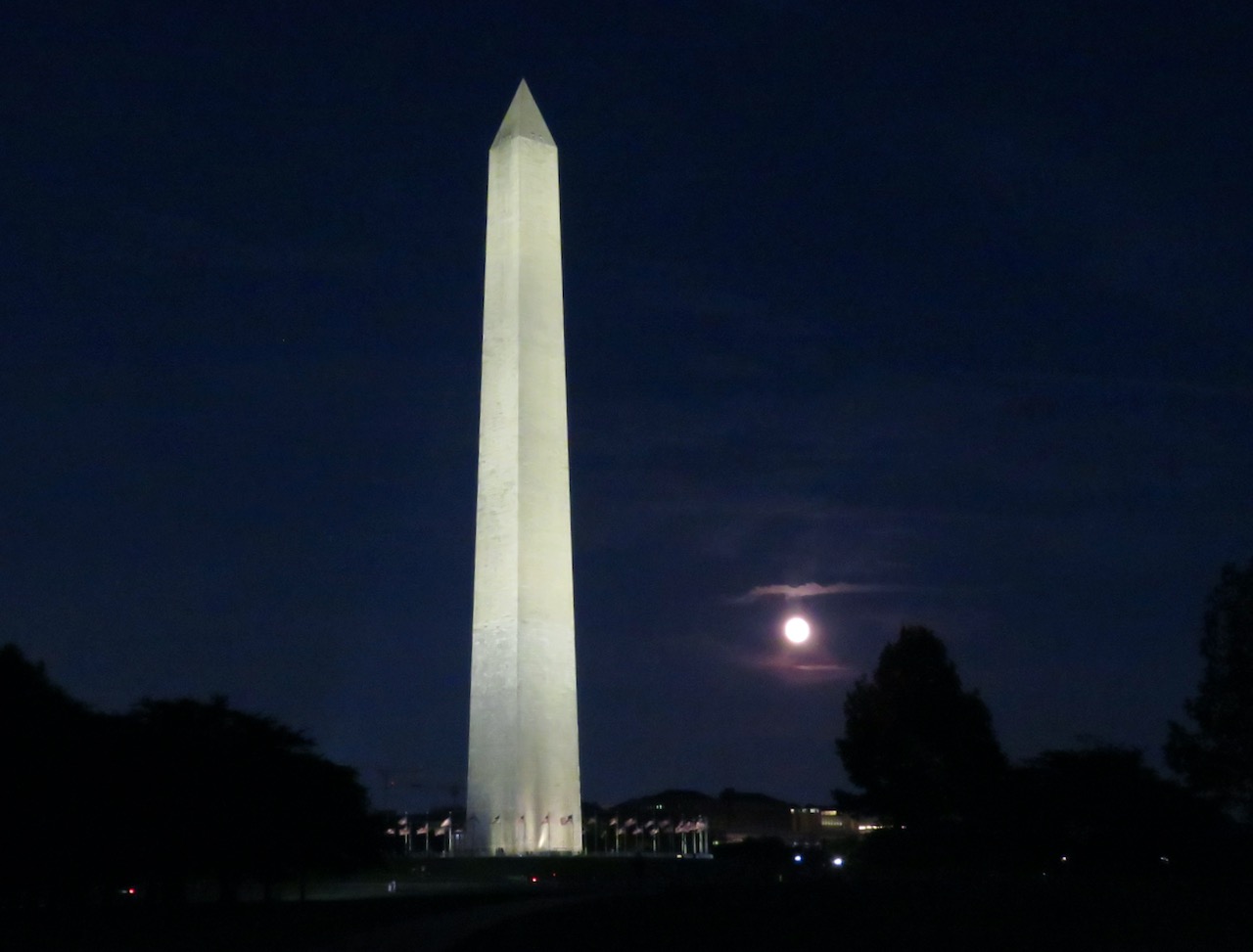
The Washington Monument and the Buck Supermoon on the Fourth of July, 2023: Glynn Wilson
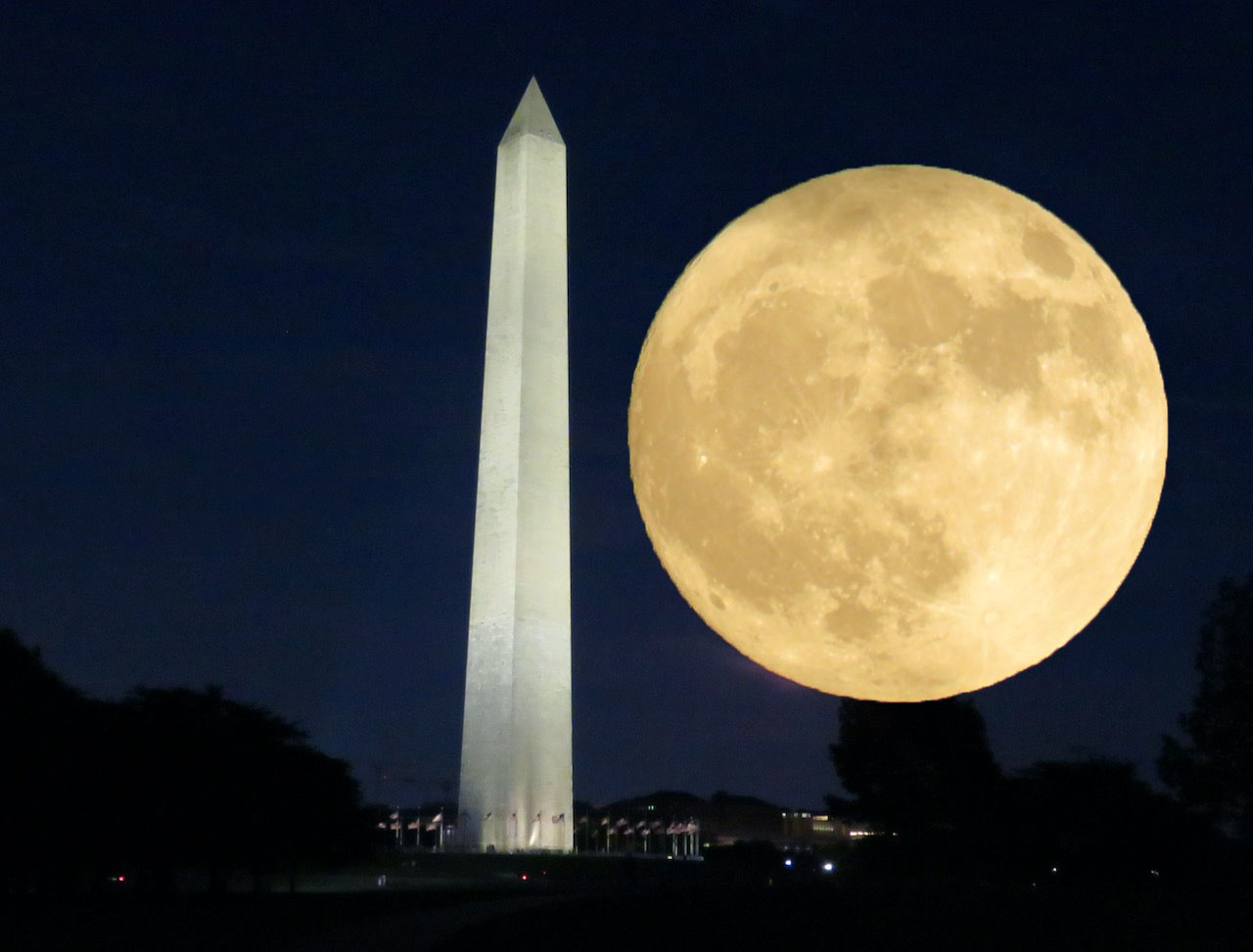
Just for the heck of it, and because I can, I combined one picture of the Buck Supermoon at 99 percent full on Sunday, July 2, 2023 with a picture of the Washington Monument. Photos taken by the Washington Monument with a Cannon camera with a 1360 mm zoom lens: Glynn Wilson
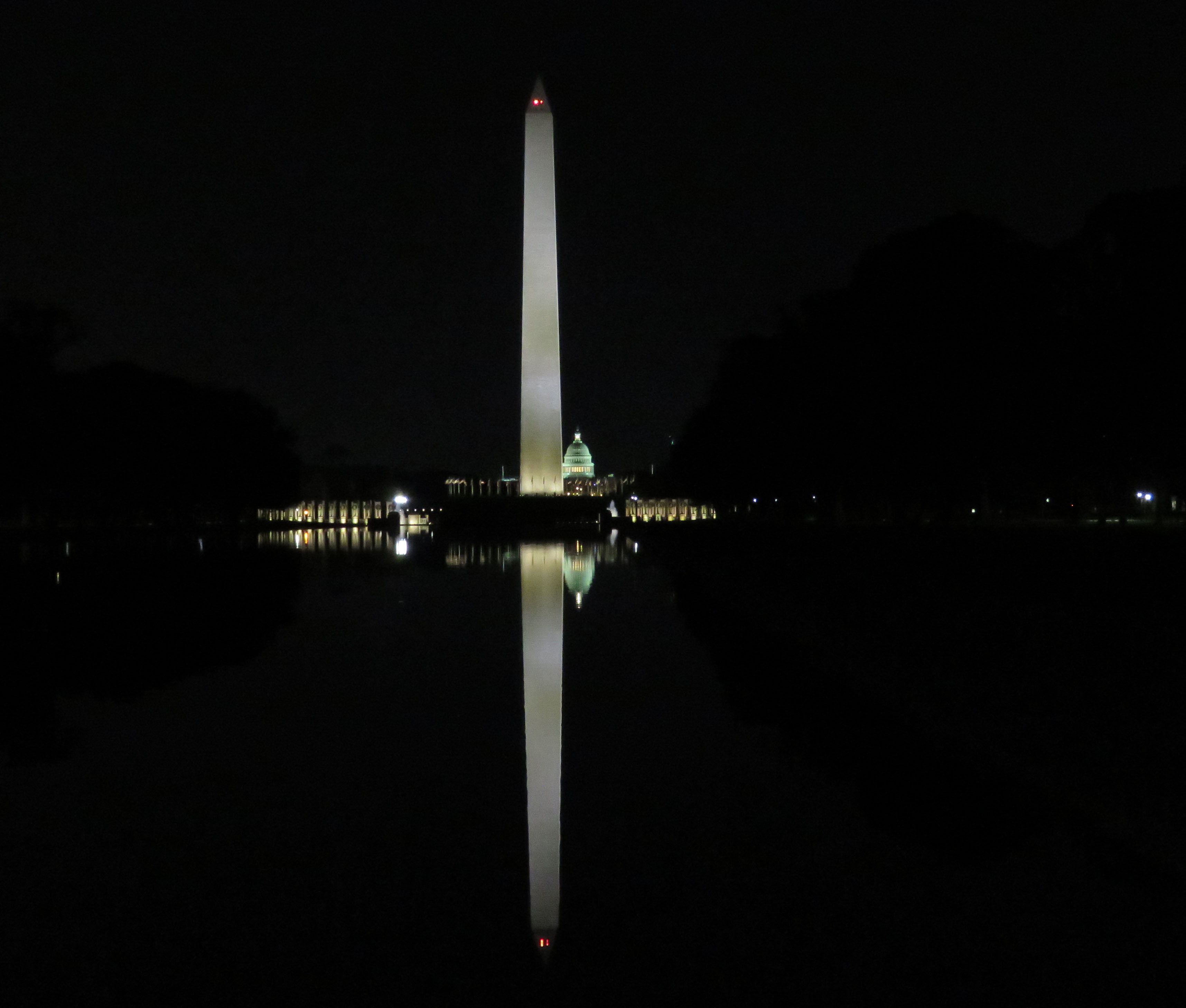
A night shot of the Washington Monument and the Reflecting Pool on the National Mall in Washington, D.C.: Glynn Wilson
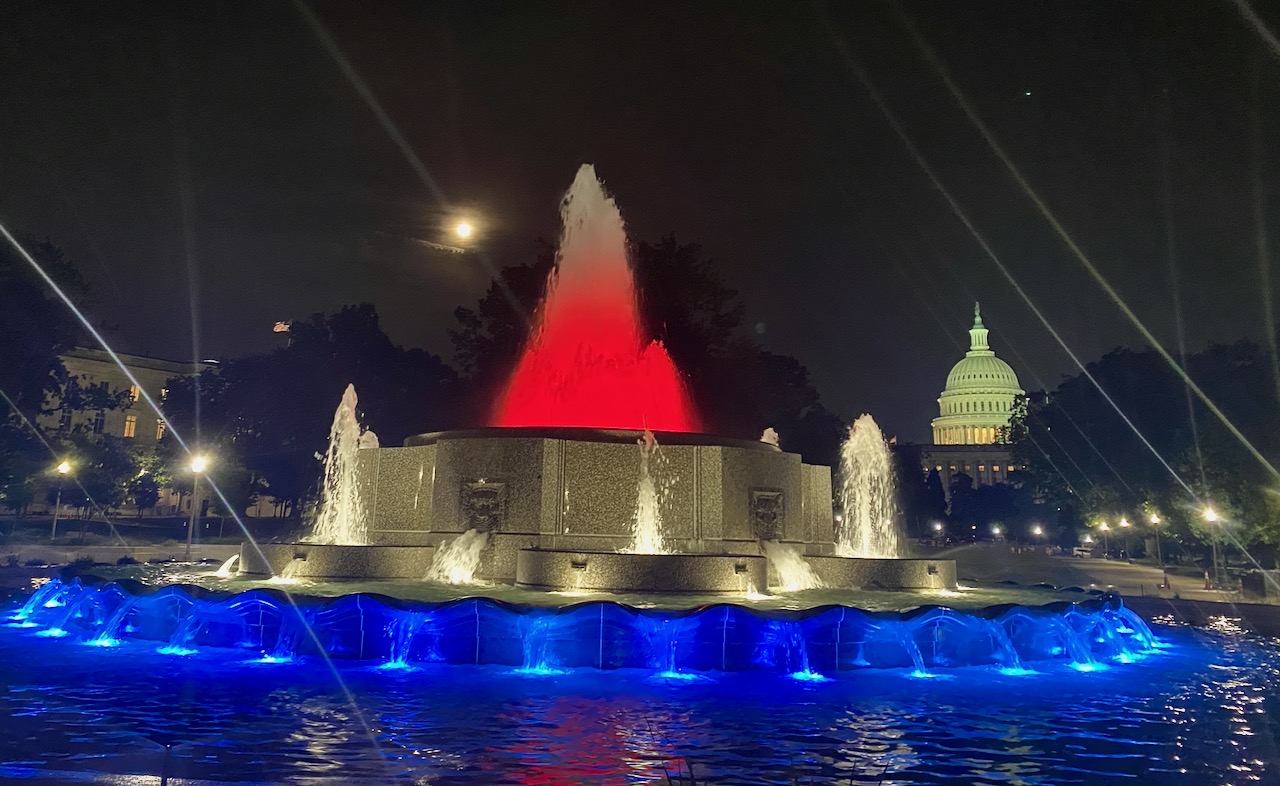
Fourth of July by the U.S. Capitol: Glynn Wilson
Greenbelt National Park
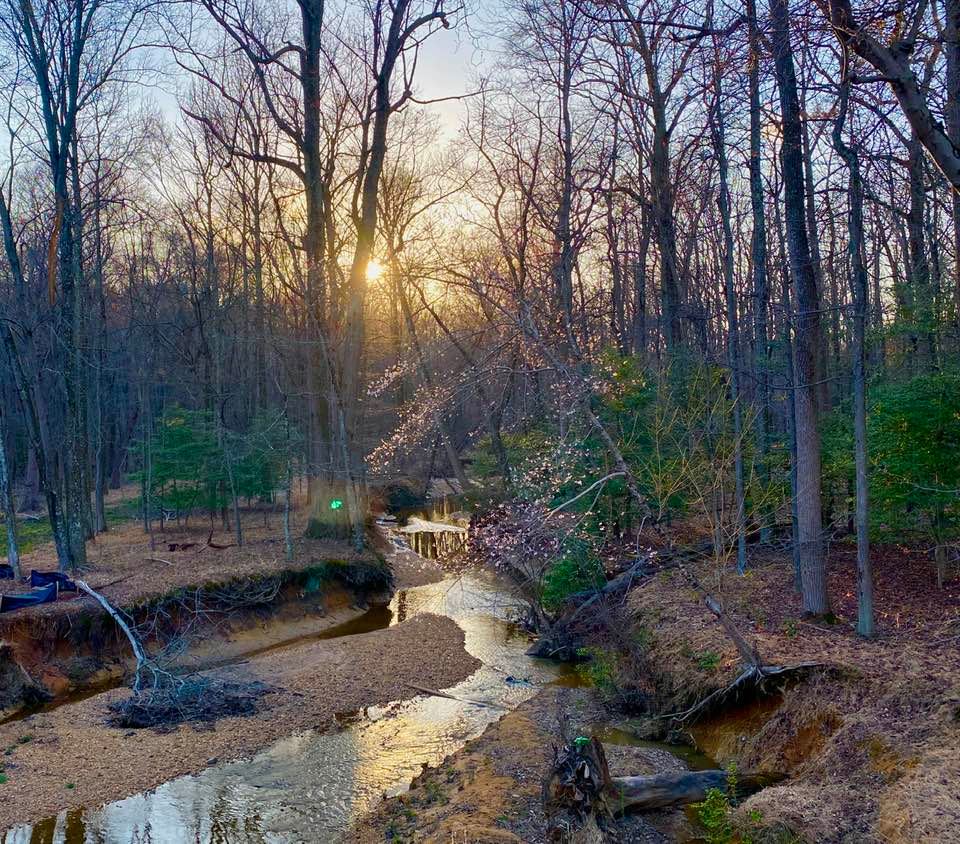
Sunset Over Still Creek on the Eve of Spring, 2022: Glynn Wilson
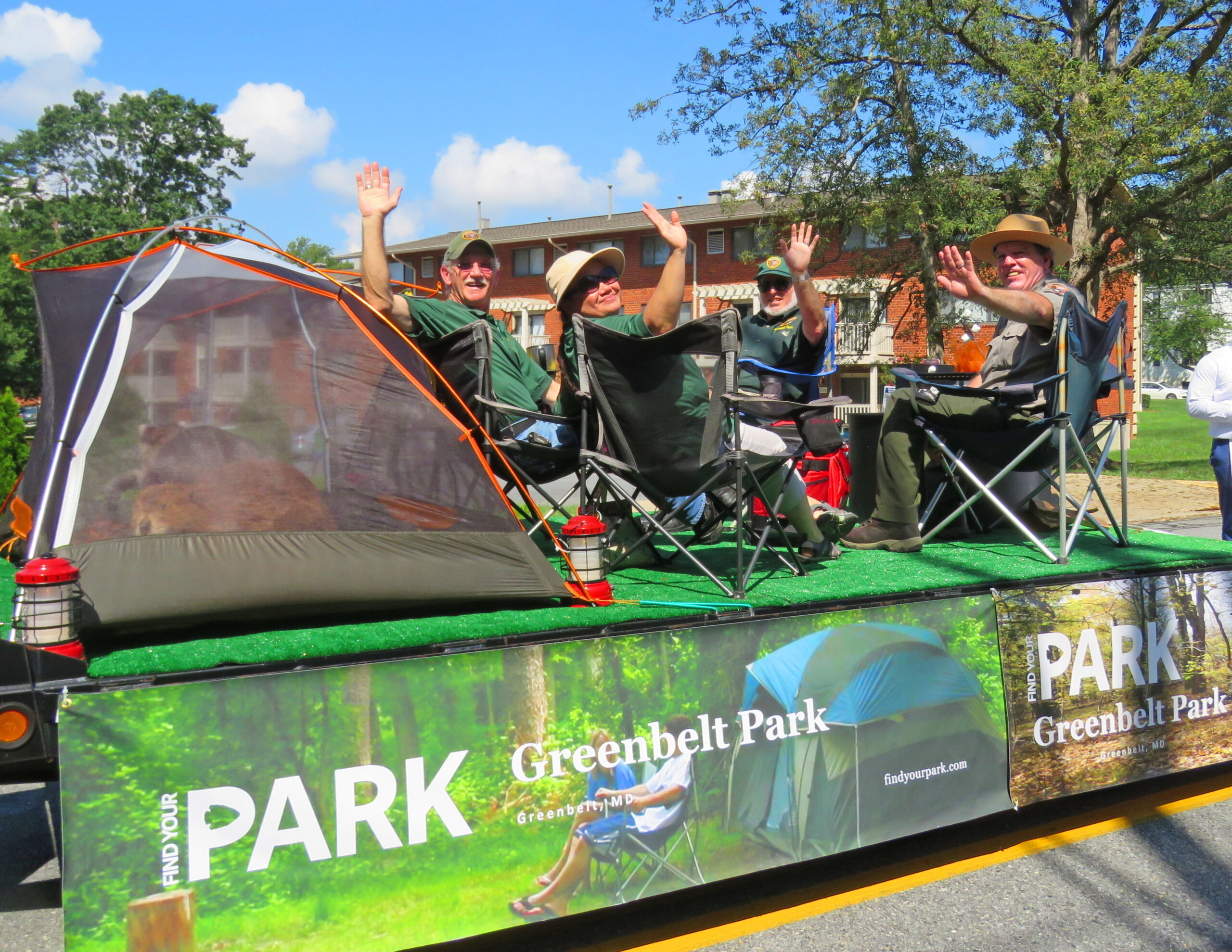
National Park Service rangers and volunteers in the Greenbelt, Maryland, Labor Day Parade: Glynn Wilson
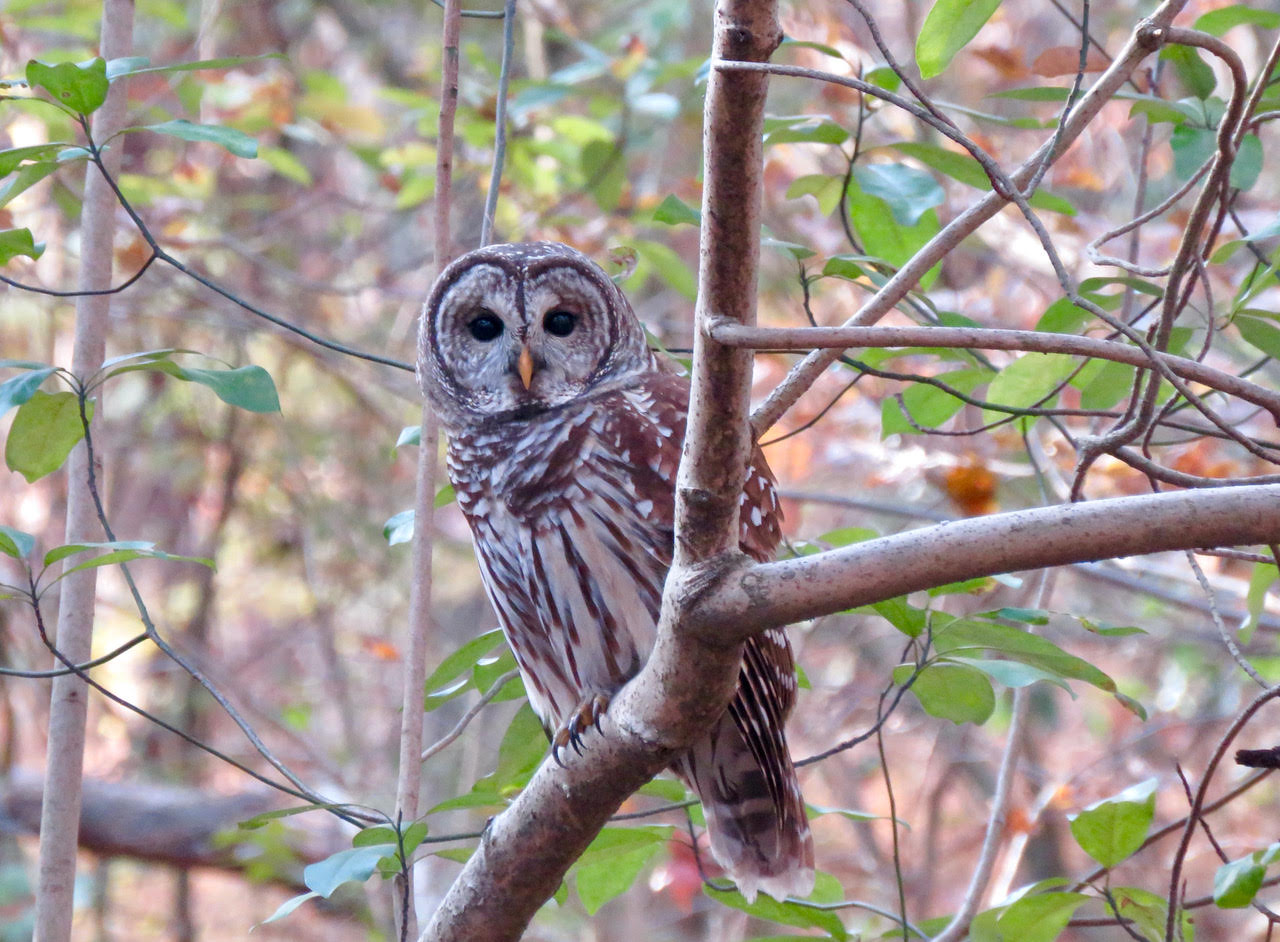
A barred owl [Strix varia] out in a rare morning in Greenbelt Park, Maryland: Glynn Wilson
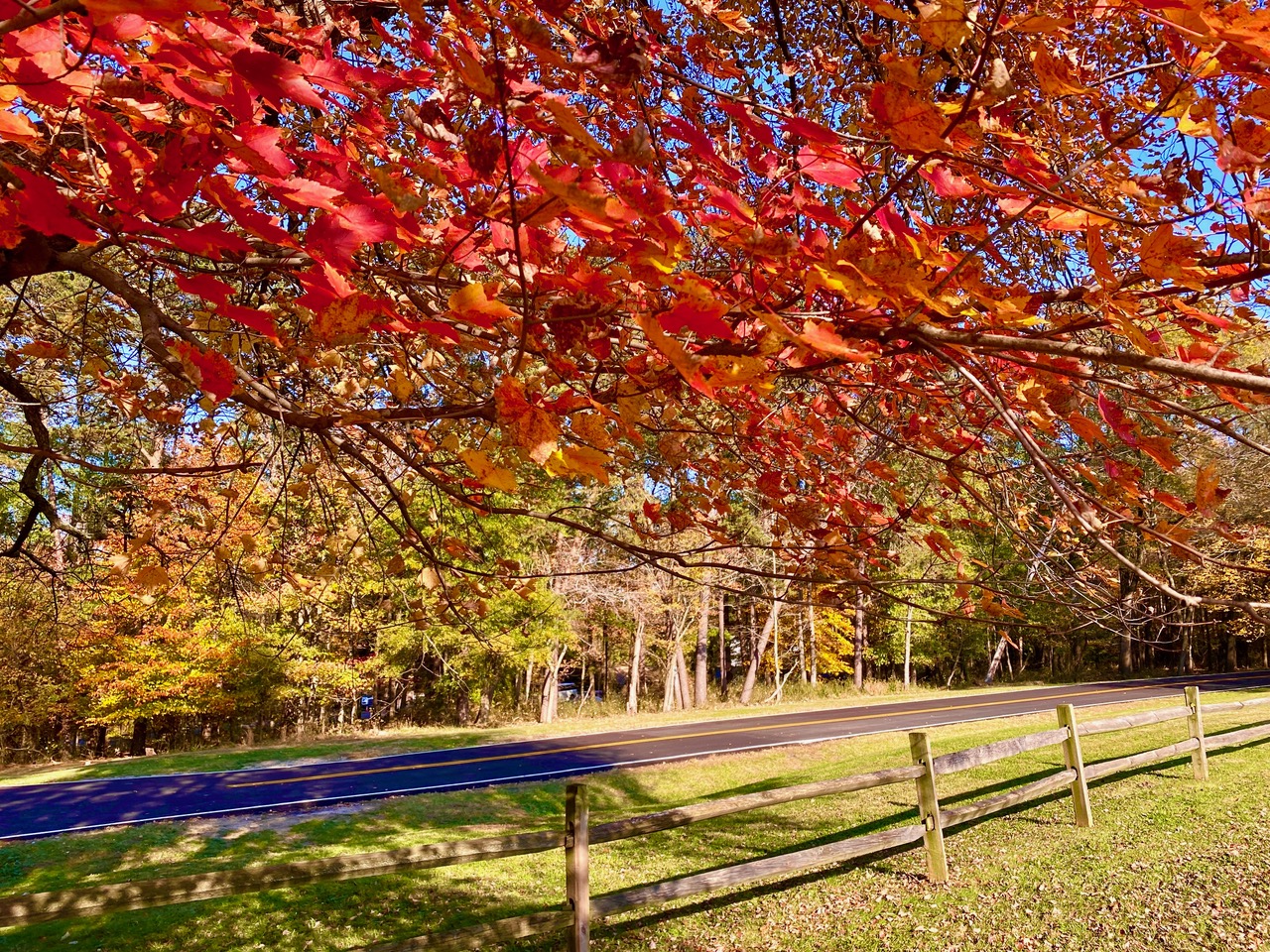
Autumn color in Greenbelt Park, Maryland: Glynn Wilson
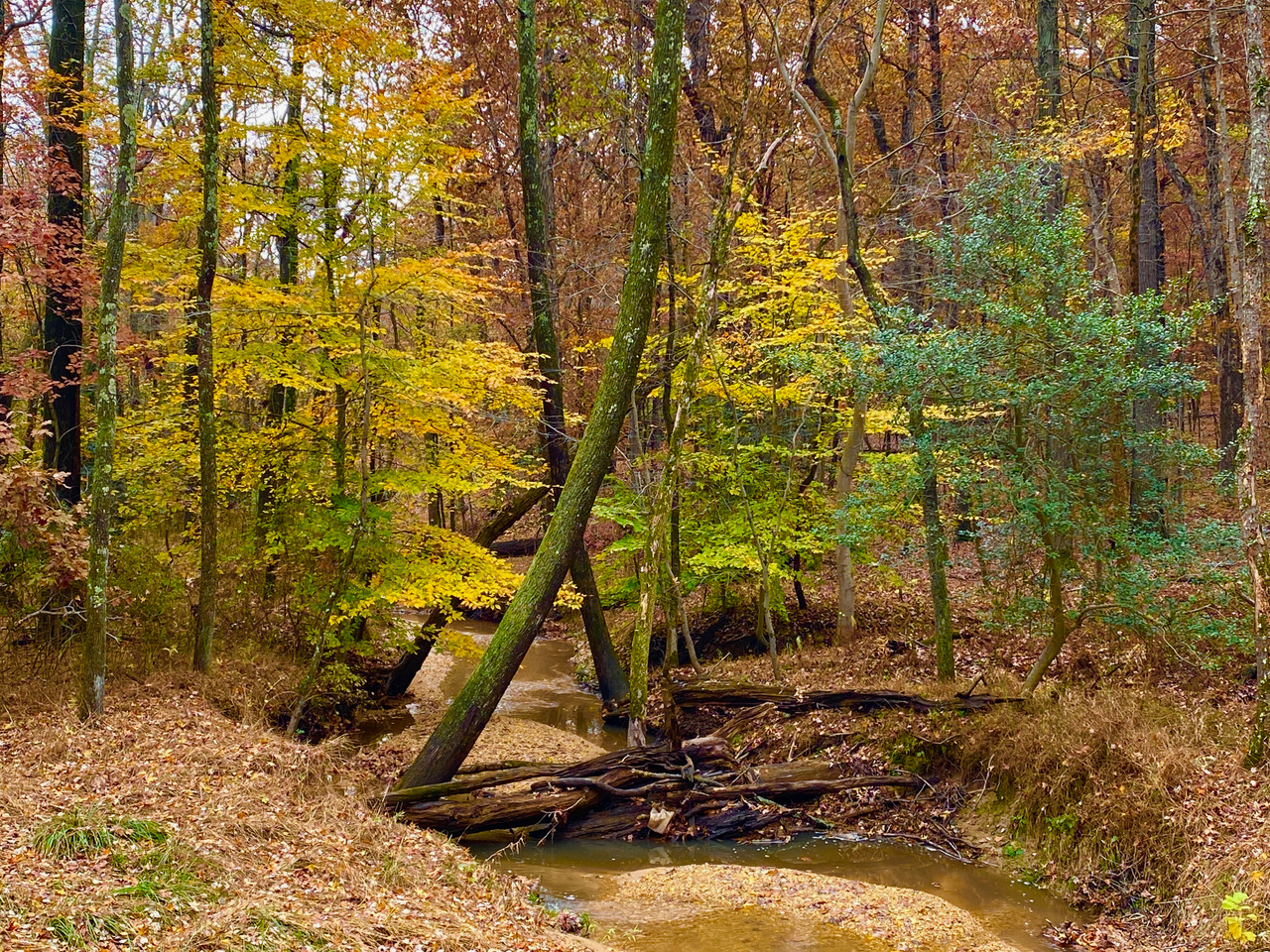
AFTERNOON CALM – Spend some time by a creek in fall, take a break from the troubles of the world, and sooth your soul: Glynn Wilson
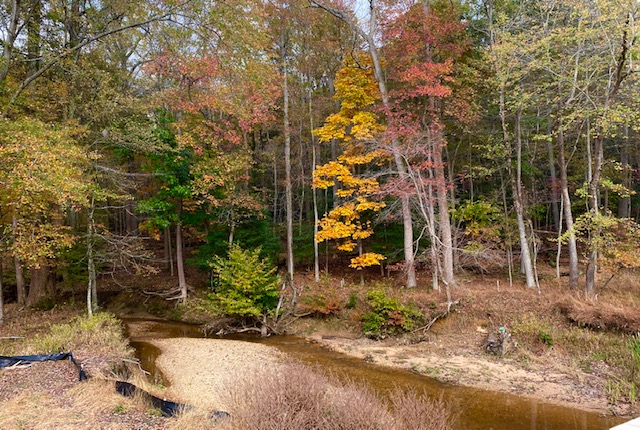
Fall color by Still Creek: Glynn Wilson
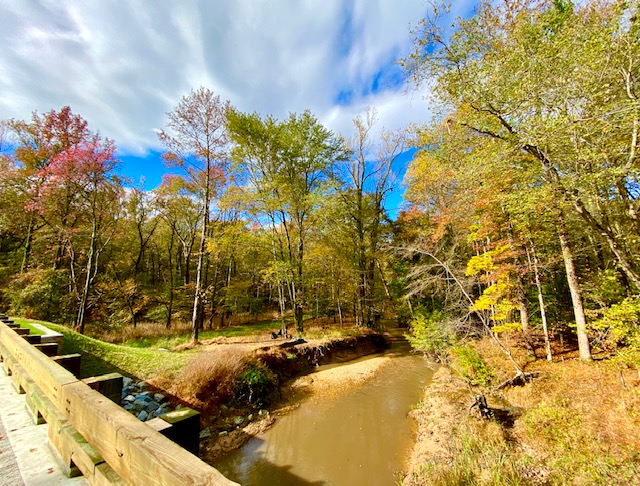
Fall color by Still Creek: Glynn Wilson
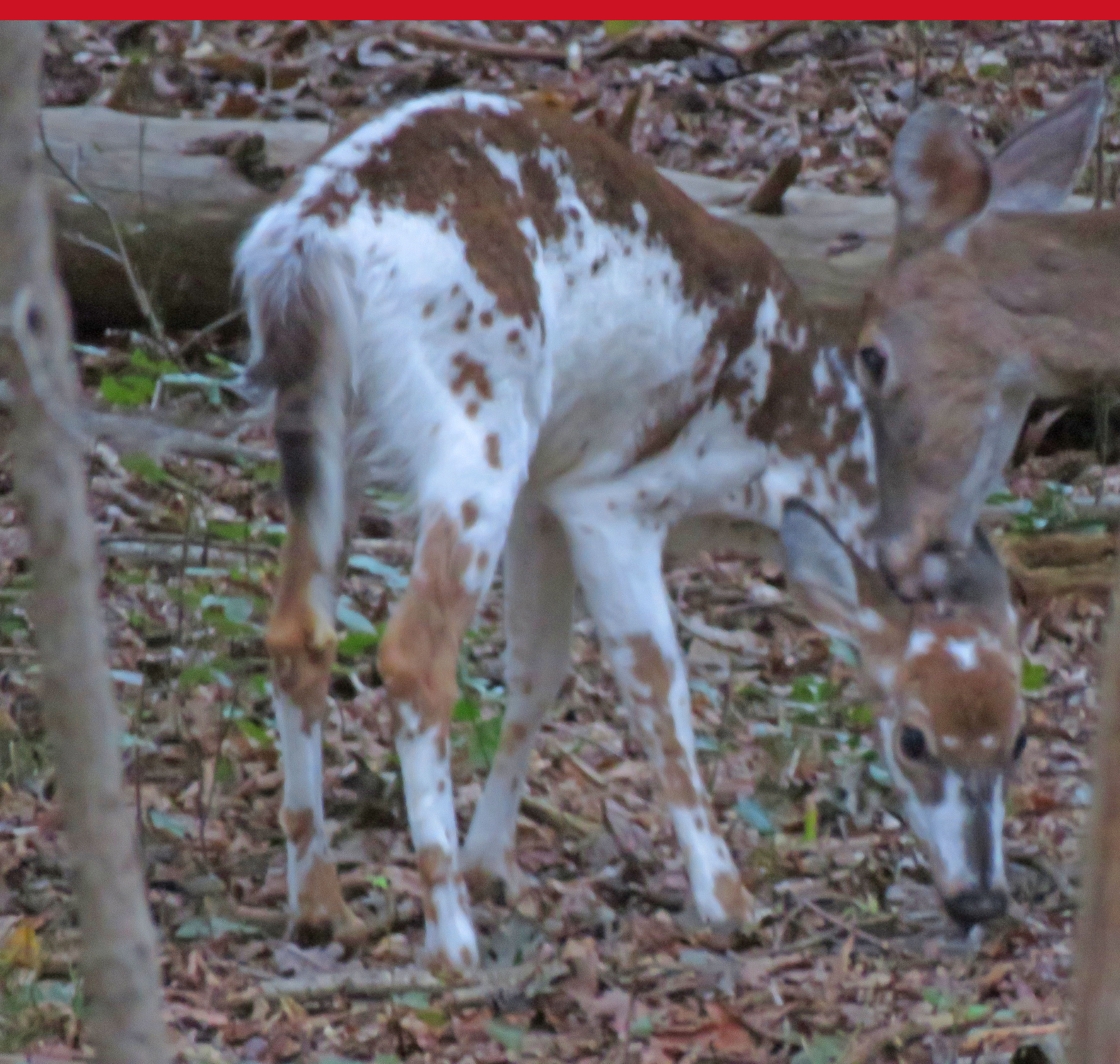
A white “piebald” fawn feeding in Greenbelt Park: Glynn Wilson
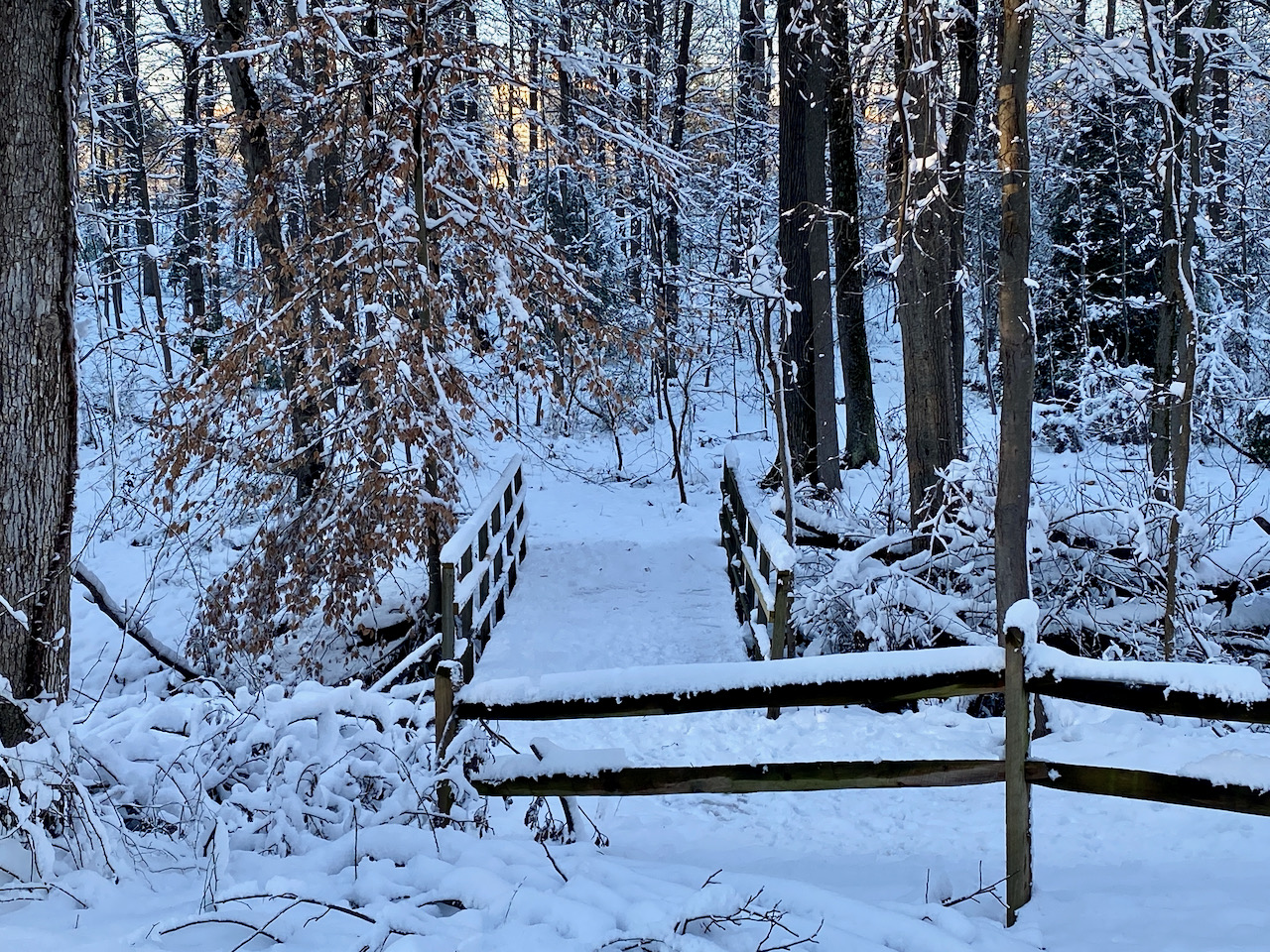
A snow covered bridge on a walking, hiking trail in Greenbelt Park, Maryland: Glynn Wilson
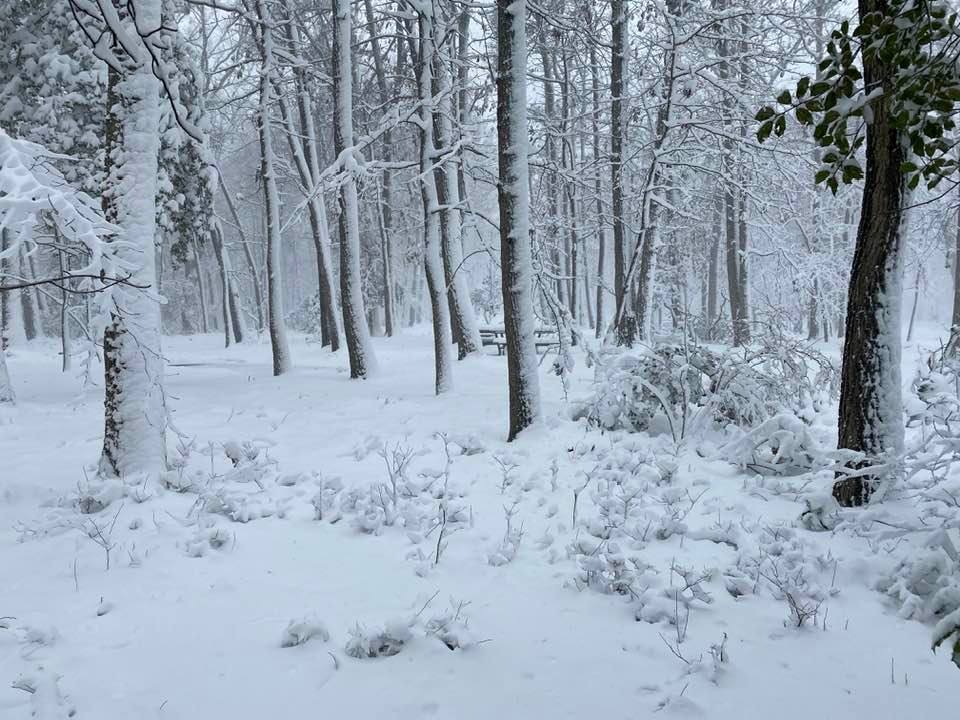
A snowy, winter wonderland landscape in the Greenbelt Park campground: Glynn Wilson
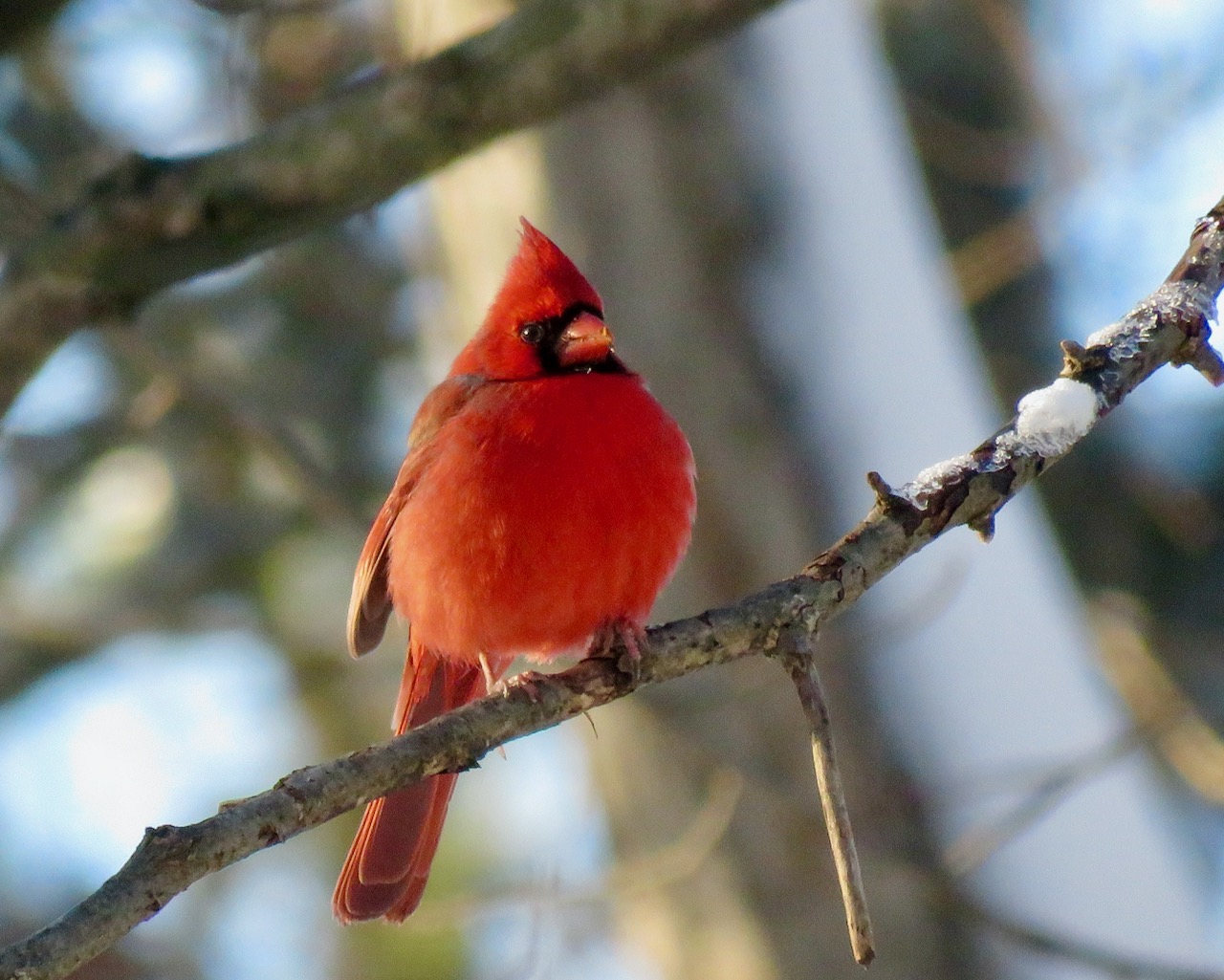
A male cardinal in winter snow: Glynn Wilson
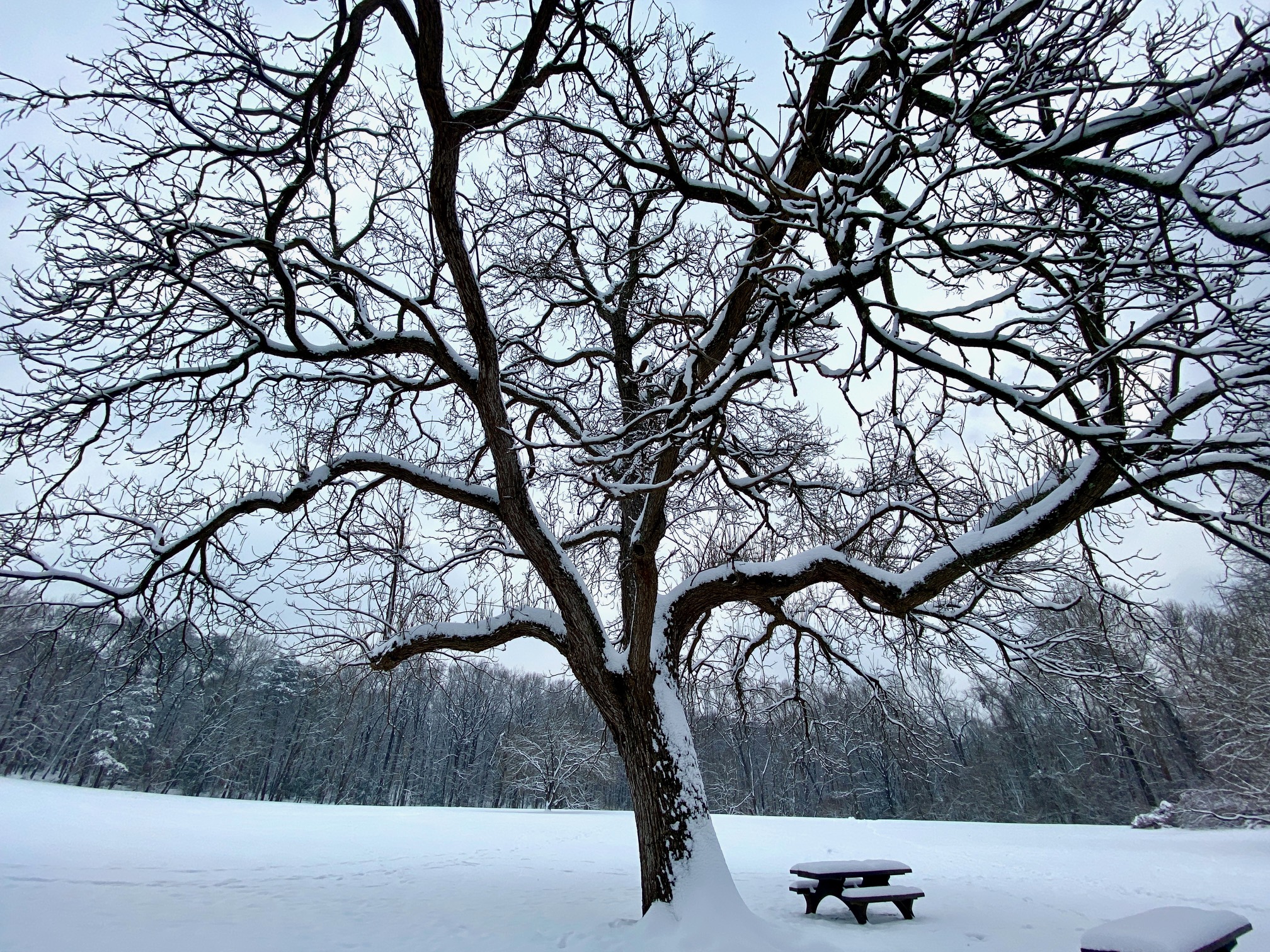
This great Catalpa tree which might be considered a witness tree has seen it all around here since the late 1930s, when Eleanor Roosevelt helped found the unique town of Greenbelt, Maryland. Photo by Glynn Wilson, Friday, Jan. 19, 2024
___
If you support truth in reporting with no paywall, and fearless writing with no popup ads or sponsored content, consider making a contribution today with GoFundMe or Patreon or PayPal.




Outstanding! This is beautifully written and clearly heartfelt. Should be read far and wide. It captures this complex time and our special vantage point. Finally, thanks for the appreciation of our Park Rangers.💚
Simply amazing…